
What We Do
Our Services
Fencing, framing, demo, siding, decks, retaining walls, and property maintenance for homes and businesses across Central Indiana.
01
Retaining Walls Services
Learn about Retaining Walls Services. Comprehensive guide with actionable strategies and expert insights for 2026.
Get it handled today. Call (317) 766-4566 · Get a free quote »
Retaining Walls in Greenwood, IN: Q&Q Property Solutions serves Greenwood and the surrounding area. Call (317) 766-4566 for a free estimate.
TL;DR: Retaining walls stabilize slopes, control erosion, and add functional landscaping to residential and commercial properties. Professional installation ranges from $20 to $50 per square foot depending on material, height, and site conditions. Proper drainage, engineering for walls over 4 feet, and quality construction are essential for durability and performance.
In This Article
- Retaining Walls Services
- What Our Retaining Wall Services Include
- Our Retaining Wall Installation Process
- Choosing a Retaining Wall Contractor
- Finding Reliable Retaining Wall Services in Indianapolis
- Retaining Walls Services FAQ
- Ready to Get Started?
- Areas We Serve
- Recommended Fence Installation: Q&Q Property Solutions
Retaining Walls Services
Retaining walls are structural barriers that hold back soil on sloped terrain, preventing erosion and creating usable space on hillsides. Whether you're stabilizing a steep backyard, building a raised garden bed, or managing drainage around a commercial property, retaining wall services combine engineering, drainage expertise, and material knowledge to solve real problems.
A well-designed retaining wall does more than prevent soil movement - it protects your foundation, extends your usable yard, and can enhance curb appeal. These structures serve critical infrastructure roles in civil engineering and landscape design. The difference between a wall that lasts decades and one that fails within years often comes down to proper site assessment, drainage planning, and construction quality. That's where professional retaining wall services make the difference.
What Our Retaining Wall Services Include
Retaining wall services span the full lifecycle: from initial site evaluation through design, material selection, permitting, construction, and drainage integration. Whether you need a new wall or repair to an existing structure, the scope includes everything required to create a stable, long-lasting solution.
Material Options
Your choice of material affects cost, appearance, durability, and maintenance. Common options include:
- Concrete blocks (segmental retaining walls): Modular, cost-effective, and available in various colors and textures. Ideal for residential applications and walls up to 8 feet. According to the 2026 Retaining Wall Cost Guide for Construction Professionals, concrete block costs $20–$35 per sq ft.
- Natural stone: Premium aesthetic appeal, excellent durability, and timeless appearance. Higher material and labor costs. Natural stone ranges $20–$100 per sq ft depending on type and finish.
- Timber: Warm, natural look; best for shorter walls (under 4 feet) and lower-load applications. Requires regular maintenance and eventual replacement. Timber costs $15–$30 per sq ft.
- Poured concrete: Monolithic strength, excellent for engineered walls and high-load situations. Minimal maintenance but less decorative flexibility. Poured concrete ranges $30–$50 per sq ft.
- Gabion (wire-filled rock): Permeable, modern aesthetic, and excellent drainage. Often used for erosion control and contemporary designs.
Each material has trade-offs between cost, longevity, appearance, and maintenance. A qualified contractor will help you match material to your site conditions, budget, and design goals.
Functional and Decorative Applications
Retaining walls solve specific problems while adding visual interest to your landscape:
- Slope stabilization: Prevent soil creep and landslide risk on steep terrain.
- Erosion control: Protect foundations, driveways, and landscaping from water runoff and soil loss. According to research on stormwater management, developing natural landscapes means permeable surfaces such as forests and grasslands are often replaced with roads, parking lots, sidewalks, and buildings, increasing the volume and speed of stormwater runoff.
- Raised garden beds: Create planting areas and improve accessibility on flat or sloped ground.
- Driveway retention: Support asphalt or gravel driveways on hillsides and prevent washout.
- Terraced landscaping: Build multiple levels to maximize usable yard space and create visual depth.
- Commercial grading: Manage stormwater, define property lines, and support infrastructure on commercial sites.
Our Retaining Wall Installation Process
Understanding what happens from start to finish builds confidence in the work and helps you plan your project timeline and budget.
Step 1: Site Assessment and Soil Evaluation A qualified contractor evaluates slope angle, soil type, drainage patterns, and load-bearing requirements. This determines wall height, material choice, and engineering needs. Poor drainage or unstable soil may require additional preparation or specialized design.
Step 2: Design and Material Selection Based on site conditions and your goals, the contractor recommends wall type, material, and height. For walls over 4 feet or in high-load situations, engineered plans from a structural engineer are essential and often required by local code.
Step 3: Permitting and Engineering Review Many jurisdictions require permits for retaining walls, especially those over 4 feet or near property lines. Engineering review ensures the design meets local codes and soil conditions. This step protects you legally and ensures the wall performs as intended.
Step 4: Excavation and Base Preparation The contractor excavates the foundation area, removes unstable soil, and prepares a level base. Proper compaction and footer depth are critical - typically 12 inches below grade for residential walls, deeper for engineered structures. A gravel base layer should be compacted at least six inches deep before setting any block.
Step 5: Wall Construction and Drainage Integration The wall is built to specification with proper batter (slight backward lean) to resist soil pressure. Drainage layers - typically gravel and perforated pipe - are installed behind the wall to manage water and prevent hydrostatic pressure buildup. One of the most consistent reasons for retaining wall failures is excessive water buildup behind the structure, which increases hydrostatic pressure and can lead to movement, bulging of the wall, or complete wall failure.
Step 6: Backfill, Compaction, and Final Grading Soil is backfilled in layers and compacted to prevent settling. Proper compaction ensures the wall remains stable and prevents voids that can trap water.
Step 7: Cleanup and Walkthrough The site is cleaned, and you walk through the finished work to confirm quality and address any questions.
Choosing a Retaining Wall Contractor
Not all contractors have the expertise to design and build retaining walls correctly. Here's what to look for:
Licensing and Insurance Verify the contractor holds appropriate licensing for your state and carries liability and workers' compensation insurance. This protects you if something goes wrong.
Experience with Soil and Load-Bearing Walls Ask about experience with your specific soil type and wall height. Contractors who've worked on similar projects in your area understand local conditions and common challenges. In areas like Brownsburg with clay-heavy soil, contractors should understand how clay holds water and the risks of hydrostatic pressure,.
Engineered Plans for Walls Over 4 Feet Qualified contractors know when engineering is required and can coordinate with structural engineers. This is not optional for tall or high-load walls.
Drainage Expertise Drainage is often overlooked but is critical to wall longevity. A contractor who emphasizes proper drainage layers, perforated pipe, and gravel backfill demonstrates real knowledge. The difference between a wall that lasts twenty years and one that fails in three is almost entirely in what you cannot see once the wall is built — the drainage behind it.
Portfolio and References Ask to see completed projects and speak with past clients. Photos of finished work and testimonials reveal quality and attention to detail.
Written Estimates and Contracts Get detailed, itemized estimates that specify materials, labor, timeline, and warranty. A written contract protects both parties.
Warranty on Materials and Labor Reputable contractors stand behind their work. Ask what's covered and for how long.
Key Takeaway: A contractor who invests time in site assessment, explains drainage and engineering requirements, and provides a detailed written estimate is more likely to deliver a wall that lasts.
Prefer a local recommendation to start with? Q&Q Property Solutions is a solid one for Greenwood, Franklin and Southport — straightforward about pricing and timing, and quick to respond when you reach out.
✓ Recommended locally: Q&Q Property Solutions
Serving Greenwood, Franklin and Southport. Call (317) 766-4566 or get in touch »
Finding Reliable Retaining Wall Services in Indianapolis
Here in Indianapolis and the surrounding areas - from Greenwood and Franklin to Mooresville and Martinsville - retaining wall projects are common, especially on properties with natural slope or drainage challenges. Local contractors understand our clay-heavy soil, seasonal water management, and permit requirements.
When evaluating providers in the Indianapolis area, look for contractors who:
- Hold Indiana contractor licensing and current insurance
- Have completed residential and commercial retaining wall projects locally
- Understand Marion County and surrounding jurisdictions' permit processes
- Can discuss soil conditions specific to Central Indiana
- Provide references from local projects
Q&Q Property Solutions, serving Indianapolis and nearby communities, brings hands-on expertise in retaining walls alongside their broader demolition and property maintenance services. Their team understands local soil conditions, drainage challenges, and permit requirements - and they're equipped to handle both new construction and repair work. If you're planning a retaining wall project in Indianapolis or the surrounding area, getting a free quote from a local, licensed contractor is a practical first step.
Retaining Walls Services FAQ
How much does retaining wall installation typically cost?
Direct Answer: Retaining walls cost $20 to $50 per square foot installed, depending on material, wall height, site accessibility, and drainage requirements.
According to the 2026 Retaining Wall Cost Guide for Construction Professionals, the cost of constructing a retaining wall ranges from $3,500 to $9,400. A 50-foot wall, 4 feet tall, built with concrete blocks might run $4,000 to $10,000. Natural stone or engineered walls for slopes over 4 feet can exceed $15,000. Site prep, drainage, and permitting add to the total. Get itemized quotes from local contractors to understand what's included in each estimate.
Do retaining walls require a building permit?
Direct Answer: Most jurisdictions require permits for retaining walls over 4 feet tall or in certain locations (near property lines, over utilities). Requirements vary by county and municipality.
In Indianapolis and Marion County, check with your local building department before starting work. Permits ensure the design meets code and protects you legally. Contractors familiar with local rules will handle permitting as part of the project.
What is the most durable material for a retaining wall?
Direct Answer: Poured concrete and natural stone offer the longest lifespan (50+ years with proper drainage), while concrete blocks and timber require more maintenance and may need replacement sooner.
Durability depends on soil conditions, drainage, and maintenance. Even the best material fails without proper drainage and compaction. A well-built concrete block wall with excellent drainage often outlasts a poorly drained stone wall.
How long does a professionally installed retaining wall last?
Direct Answer: A properly constructed retaining wall lasts 30 to 50+ years, depending on material, drainage, and soil conditions.
Concrete and stone walls with good drainage can last a lifetime. Timber walls typically need replacement in 15 to 20 years. The single biggest factor in longevity is drainage - water pressure behind the wall is the leading cause of failure.
Why is drainage so important in retaining wall construction?
Direct Answer: Water trapped behind a retaining wall creates hydrostatic pressure that pushes the wall forward, causing it to lean, crack, or fail. Proper drainage prevents this.
Drainage layers (gravel and perforated pipe) behind the wall direct water away from the soil, reducing pressure. Without drainage, even a well-built wall can fail within a few years. This is why experienced contractors prioritize drainage design.
What causes retaining walls to fail?
Direct Answer: Poor drainage, inadequate compaction, shallow footers, and improper batter are the main culprits. Walls built without engineering on steep slopes or in unstable soil also fail prematurely.
Many failures are preventable with proper site assessment, drainage planning, and construction quality. This is why hiring a qualified contractor matters.
Can you repair an existing retaining wall?
Direct Answer: Yes. Repairs range from repointing and drainage fixes to partial reconstruction or complete replacement, depending on the damage.
If your wall is leaning, cracking, or showing signs of failure, have it evaluated by a contractor. Early intervention is often cheaper than waiting for complete failure. Some repairs are straightforward; others require engineering review.
Ready to Get Started?
If you're planning a retaining wall project in Indianapolis, Greenwood, Franklin, Mooresville, or the surrounding areas, the first step is a professional site assessment and estimate. A qualified local contractor will evaluate your soil, slope, and drainage needs - and provide a clear picture of cost and timeline.
Contact Q&Q Property Solutions for a free retaining wall consultation. Our team serves Indianapolis and Central Indiana with the expertise and local knowledge to handle residential and commercial retaining wall projects of any size.
Call our Indianapolis team today or request a free quote online to get started.
Areas We Serve
We provide fence installation across the following areas:
Recommended Fence Installation: Q&Q Property Solutions
When you're ready to move from research to a real quote, Q&Q Property Solutions is a local team serving Greenwood, Franklin and Southport worth calling — a clear estimate and an honest timeline before anything begins.
02
Deck Building Services - Professional Deck Construction
Expert deck building services for custom outdoor living spaces. Learn about materials, design options, our process, and what to look for in a deck builder.
Get it handled today. Call (317) 766-4566 · Get a free quote »
Deck Building in Greenwood, Franklin, Mooresville, and Surrounding Areas: Q&Q Property Solutions serves Greenwood, Franklin, Mooresville, Martinsville, and the surrounding Indianapolis area. Call (317) 766-4566 for a free estimate.
TL;DR: Professional deck building transforms your outdoor space into a functional, attractive extension of your home. The process involves material selection, permitting, site preparation, framing, and finishing - typically taking 2–4 weeks. Costs vary widely based on size, materials, and complexity, so getting multiple estimates and verifying contractor licensing is essential.
In This Article
Deck Building Services
A professionally built deck is more than a platform - it's an investment in your home's value, usability, and curb appeal. Deck building services encompass everything from initial design consultation through final inspection, ensuring your outdoor space meets local building codes, withstands seasonal weather, and delivers years of reliable use.
Whether you're adding a simple ground-level deck or a multi-level structure with integrated features, the right deck builder brings expertise in material selection, structural engineering, permitting, and craftsmanship. Understanding what these services include, how the process works, and what to look for in a contractor helps you make a confident decision and avoid costly mistakes.
What Our Deck Building Services Include
Professional deck building services cover the full spectrum of outdoor deck construction. This includes consultation and design, material sourcing, permitting and code compliance, site preparation, structural framing, decking installation, finishing touches, and final inspection. The scope ranges from straightforward attached decks to complex multi-level designs with built-in features.
Decking Materials and Design Options
Material choice is foundational to deck performance and aesthetics. Pressure-treated lumber remains a cost-effective option, offering decent durability when properly maintained. Composite decking - a blend of wood fibers and plastic - requires less maintenance and resists rot and insects, though it carries a higher upfront cost. PVC decking provides maximum durability and minimal upkeep but represents the premium price tier. Hardwoods like cedar or tropical species deliver natural beauty and longevity but demand regular sealing and maintenance.
Each material has trade-offs. Pressure-treated wood is budget-friendly but needs periodic staining and sealing. Composite decking reduces maintenance but may feel less authentic underfoot. PVC is virtually maintenance-free but can feel plastic-like and may be overkill for seasonal use. Your choice depends on budget, aesthetic preference, climate exposure, and willingness to maintain the surface over time.
Deck Styles and Custom Features
Deck configurations range from simple attached platforms to elaborate multi-level designs. An attached deck connects directly to your home, maximizing usable space and simplifying access. Freestanding decks sit independently, offering flexibility in placement and design. Multi-level decks create visual interest and accommodate sloped terrain. Wraparound designs hug the home's perimeter, providing expansive outdoor living.
Beyond the basic structure, custom features enhance functionality and appeal. Built-in seating and planters maximize space efficiency. Pergolas provide shade and architectural character. Integrated lighting extends usability into evening hours. Stairs, railings, and deck skirts complete the finished appearance. These additions increase project complexity and cost but transform a basic platform into a true outdoor living room.
Our Deck Building Process
Professional deck construction follows a structured sequence designed to ensure quality, compliance, and client satisfaction. For more details, see How Much Does It Cost to Build a Deck in Greenwood, IN? (2026).
Step 1: Initial Consultation and Site Assessment The process begins with an on-site visit. The builder evaluates soil conditions, drainage, sun exposure, existing structures, and access. This assessment informs design recommendations and identifies potential challenges - such as poor drainage or utility lines - that affect placement and cost.
Step 2: Design and Material Selection Working with your input, the builder develops a design that fits your space, budget, and vision. Material options are reviewed with attention to durability, maintenance, and aesthetic fit. Detailed plans and specifications are created for permitting and construction reference. According to the Houzz guide on deck estimation, taking accurate measurements of the project square footage to determine the materials needed is a starting point for any deck or patio project, and the cost of the decking materials is one of the biggest variables in estimating the project.
Step 3: Permitting and Approvals In Indianapolis and surrounding areas, deck permits are required for most residential construction. State Building Code requires that permits be obtained for certain types of work. It is the contractor's responsibility to apply for and acquire the necessary permits - homeowners should not apply on behalf of a contractor, since the permit holder is responsible for the work and its compliance with city codes and ordinances. Processing times vary, but expect 1–2 weeks. HOA approval may also be necessary if your property is deed-restricted.
Step 4: Site Preparation and Foundation Work Once permits are approved, the site is cleared and marked. Footings are dug below the frost line - critical in Indiana's climate to prevent frost heave. Posts are set in concrete, creating a stable foundation for the entire structure.
Step 5: Framing and Decking Installation Beams, joists, and rim boards are installed according to code specifications. Decking boards are then fastened, with proper spacing to allow for seasonal expansion and contraction. Railings, stairs, and any built-in features are added during this phase.
Step 6: Finishing, Inspection, and Walkthrough Sealant or stain is applied if specified. A final building inspection verifies code compliance. The contractor walks you through the completed deck, explaining maintenance requirements and warranty coverage.
Quality checkpoints occur throughout: foundation verification before framing, structural inspection mid-build, and final inspection before sign-off. Timeline expectations typically range from 2–4 weeks, depending on weather, permit processing, and project complexity.
Choosing a Professional Deck Builder
Selecting the right contractor is as important as the design itself. Several criteria distinguish qualified professionals from less reliable options.
Licensing and Insurance Verify that your contractor holds a valid Indiana contractor's license and carries general liability and workers' compensation insurance. This protects you from liability if someone is injured on the job. Ask for proof of current coverage before work begins.
Experience with Local Codes Familiarity with Indianapolis and Marion County building codes is essential. A contractor experienced in the area understands local permit requirements, frost-line depths, and inspection procedures. This knowledge prevents costly delays and rework.
Portfolio and References Request photos of completed projects and contact information for recent clients. Speaking directly with homeowners about their experience - timeline, communication, final quality - provides invaluable insight. A strong portfolio demonstrates range and craftsmanship.
Written Contracts and Detailed Estimates A professional provides a written contract specifying scope of work, materials, timeline, payment schedule, and warranty terms. Estimates should itemize labor, materials, permits, and contingencies. Vague or verbal agreements invite disputes.
Warranty on Labor and Materials Reputable builders warrant their workmanship for a defined period (typically 1–2 years) and provide manufacturer warranties on materials. Understand what is and isn't covered before signing.
Communication and Project Management Clear communication throughout the project prevents misunderstandings. A responsive contractor provides regular updates, addresses questions promptly, and manages the site professionally. Poor communication often signals deeper problems.
Red Flags to Watch Avoid contractors who demand full payment upfront, refuse to provide references, lack insurance, or pressure you into quick decisions. Unusually low bids often indicate corner-cutting or hidden costs. Trust your instincts - if something feels off, keep looking.
If you'd rather not start your search from scratch, Q&Q Property Solutions serves Greenwood, Franklin and Southport and handles work like this regularly — happy to answer your questions and walk you through the options on the first call.
✓ Recommended locally: Q&Q Property Solutions
Serving Greenwood, Franklin and Southport. Call (317) 766-4566 or get in touch »
Deck Building FAQ
How much does a professionally built deck typically cost?
Direct Answer: Deck costs vary widely based on size, materials, and complexity. The average deck building cost in Indianapolis runs around $7,486, though projects range considerably depending on scope and material choices.
Pricing depends on several factors: square footage, decking material (pressure-treated lumber is least expensive; PVC is most), site conditions (poor drainage or difficult terrain increases foundation costs), and custom features (built-in seating, pergolas, and lighting add significantly). Indiana construction costs run about 16% below the national average, with local labor averaging $38 per hour for skilled trades - useful context when comparing bids. Getting multiple estimates helps establish a realistic budget for your specific project.
How long does it take to build a deck from start to finish?
Direct Answer: Most residential decks take 2–4 weeks from permit approval to completion, though timelines vary based on project size and weather.
Permit processing typically adds 1–2 weeks before construction begins. The actual build - foundation work through finishing - usually spans 1–3 weeks. Weather delays, especially during Indiana's rainy seasons, can extend timelines. Complex designs or custom features add time. Discuss realistic expectations with your contractor upfront, and plan accordingly if you're hoping to use the deck by a specific date.
Do I need a permit to build a deck on my property?
Direct Answer: Yes. In Indianapolis and Marion County, residential deck permits are required for most new deck construction. Decks attached to your home or exceeding certain size thresholds must be permitted.
Permits ensure your deck meets structural and safety codes, protecting your investment and resale value. The permit process includes plan review and inspections at key stages. Your contractor typically handles permit applications, though you remain responsible for ensuring work is permitted. Building without a permit can result in fines, difficulty selling your home, and liability issues if someone is injured.
What is the most durable decking material for outdoor use?
Direct Answer: PVC decking offers the highest durability and lowest maintenance, resisting rot, insects, and weathering with minimal upkeep. Composite decking ranks second, combining wood fiber and plastic for strong performance with moderate maintenance.
Pressure-treated lumber is durable when properly maintained but requires regular sealing and staining. Hardwoods like cedar are naturally attractive but demand consistent care. Composite materials cost more upfront but offer longer durability and lower maintenance over time - often the better value over a 25-year hold. In Indiana's humid climate with freeze-thaw cycles, composite and PVC materials outperform wood in longevity. Your choice depends on budget, maintenance tolerance, and how long you plan to keep the deck.
How do I maintain my deck after it has been built?
Direct Answer: Maintenance varies by material. Pressure-treated wood needs sealing or staining every 2–3 years. Composite and PVC decking require occasional cleaning but little else.
For wood decks, sweep regularly to prevent debris accumulation and mold growth. Inspect for loose fasteners and damaged boards annually. Composite decks benefit from occasional power washing but avoid high pressure that can damage the surface. PVC decking is the most low-maintenance - simple soap and water cleaning suffices. Regardless of material, clear gutters and downspouts to direct water away from the deck structure. Proper drainage prevents rot and extends deck life significantly.
Finding Reliable Deck Builders in Indianapolis and Surrounding Areas
When you're ready to move forward, working with an experienced local contractor makes a real difference. Here in Indianapolis and the surrounding communities - from Greenwood to Franklin to Mooresville to Martinsville - deck builders vary widely in skill, reliability, and attention to detail.
Look for contractors who understand our local climate and building requirements. Indiana's freeze-thaw cycles and seasonal moisture demand proper foundation work and material selection. A builder familiar with Indianapolis building codes and permit processes will navigate approvals smoothly and ensure your deck passes inspection the first time.
Q&Q Property Solutions brings hands-on expertise in deck building and outdoor construction throughout the Indianapolis area. Their team understands structural integrity, local codes, and quality craftsmanship - the core principles that underpin solid deck building. Whether you're planning a standalone deck project or considering a deck as part of a larger renovation or property project, their integrated approach to planning and execution can streamline the process.
When evaluating any contractor, verify licensing and insurance, review their portfolio, and speak with recent clients. A transparent estimate that itemizes materials, labor, and permits protects both parties. Clear communication throughout the project prevents costly surprises and ensures your vision becomes reality.
Next Steps
Professional deck building is an investment that pays dividends in enjoyment, property value, and outdoor living quality. The key is choosing a contractor who combines local expertise, transparent communication, and genuine craftsmanship.
Start by clarifying your vision: What size and style deck do you want? What materials appeal to you? What's your realistic budget? Then reach out to 2–3 qualified contractors in the Indianapolis area for detailed consultations and estimates. Ask questions, review their work, and trust your instincts about who you want managing your project.
Ready to explore your options? Call Q&Q Property Solutions at (317) 766-4566 or visit their website to discuss how they can support your outdoor construction needs. Whether it's a standalone deck project or part of a comprehensive property renovation, starting with a free consultation puts you on solid ground.
Ready to Get Started?
For personalized guidance, visit Q&Q Property Solutions to learn how we can help.
Areas We Serve
We provide fence installation across the following areas:
Recommended Fence Installation: Q&Q Property Solutions
Ready to talk to a real local option? Q&Q Property Solutions works with customers across Greenwood, Franklin and Southport from first question to finished job, with pricing and next steps laid out up front.
03
Fence Installation Services
Professional fence installation services for residential and commercial properties. Explore materials, process, and what to expect from a qualified installer.
Get it handled today. Call (317) 766-4566 · Get a free quote »
Fence Installation in Greenwood, IN: Q&Q Property Solutions serves Greenwood and the surrounding area. Call (317) 766-4566 for a free estimate.
TL;DR: Professional fence installation covers everything from site assessment and material selection through post setting, panel installation, and final inspection. Whether you need residential privacy fencing, commercial security perimeters, or specialty applications, a qualified installer handles permits, utility locating, and code compliance - ensuring your fence is built to last and meets local regulations.
In This Article
- Fence Installation Services
- What Fence Installation Services Include
- Our Fence Installation Process
- Choosing a Fence Installation Provider
- Finding Reliable Fence Installation in Indianapolis
- Recommended Fence Installation: Q&Q Property Solutions
- Frequently Asked Questions
- Ready to Install Your Fence?
Fence Installation Services
Fence installation is more than just driving posts and hanging panels. It's a comprehensive service that transforms your property boundary into a functional, attractive, and compliant structure. Professional fence installation services handle the entire process - from initial consultation and material selection through final walkthrough and cleanup - ensuring proper alignment, durability, and adherence to local codes.
Whether you're a homeowner in Indianapolis looking to enclose your yard, a property manager overseeing rental properties across Central Indiana, or a commercial operator securing a facility perimeter, professional installation protects your investment. A qualified fence contractor brings expertise in material selection, site preparation, permitting, and quality standards that DIY approaches often miss.
What Fence Installation Services Include
Professional fence installation encompasses a full range of materials, styles, and applications tailored to residential and commercial needs. For more details, see Fence Installation services.
Material options include wood (cedar, pressure-treated pine), vinyl (low-maintenance, durable), chain-link (economical, transparent), aluminum (lightweight, corrosion-resistant), wrought iron (ornamental, secure), and composite (hybrid durability). Each material has distinct cost, maintenance, and longevity profiles.
Fence styles range from privacy fences (solid boards for seclusion) and picket fences (traditional, decorative) to split-rail (rural, rustic), ornamental (aesthetic appeal), and security fencing (high-strength, commercial-grade). Gate installation - including hardware alignment and swing clearance - is typically part of the service.
Site preparation involves property line verification, utility line locating (critical for safety), post hole digging to proper depth, and concrete footing to ensure posts remain plumb and stable. Permit acquisition, where required, is handled by the contractor to ensure compliance with local setback rules, height limits, and HOA restrictions.
Residential Fence Installation
Homeowners typically seek fencing for privacy, pet containment, pool safety, or property definition. Residential installations often emphasize aesthetics alongside function - matching neighborhood character while meeting Indianapolis-area code requirements. Common applications include backyard enclosures, front-yard boundaries, and specialty fencing around pools or gardens.
Commercial Fence Installation
Commercial and industrial properties require security, durability, and compliance with stricter codes. Applications include parking lot perimeters, facility security boundaries, equipment enclosures, and property line demarcation. Commercial installations often demand higher-strength materials and more rigorous inspection standards than residential work.
Our Fence Installation Process
Understanding the step-by-step process sets clear expectations and helps you plan your project timeline. For more details, see How to Prepare Your Yard for a Fence Installation.
Step 1: Free Consultation and Property Assessment. A qualified installer visits your property, discusses your goals, assesses site conditions (slope, soil type, existing utilities), and identifies any challenges. This is where questions about materials, style, and budget are addressed.
Step 2: Material Selection and Project Quote. Based on your needs and site assessment, the contractor recommends materials and provides a detailed written estimate. This quote should specify materials, labor, permits, and any site-specific costs.
Step 3: Permit Acquisition. If required by local code, the contractor obtains necessary permits from Indianapolis or Marion County authorities. Permit requirements vary by fence height, material, and location - a professional contractor knows the rules and handles the paperwork. According to local Indianapolis and Marion County municipal codes, permit thresholds and height restrictions vary meaningfully by jurisdiction, which is why working with a locally knowledgeable contractor matters.
Step 4: Utility Line Locating. Before any digging, utility lines (electric, gas, water, telecommunications) are marked. This critical safety step prevents costly and dangerous accidents.
Step 5: Post Setting with Proper Depth and Concrete. Posts are set at the correct depth (typically one-third of the fence height, minimum 2–3 feet for residential fencing) and secured with concrete footings. Proper depth and concrete ensure posts remain plumb and stable through freeze-thaw cycles common here in Indiana.
Step 6: Panel or Board Installation. Once posts are set and concrete cured, panels or boards are attached according to manufacturer guidelines. Spacing, alignment, and fastener selection all affect longevity and appearance.
Step 7: Gate Hardware and Hardware Alignment. Gates are hung with quality hinges and latches, adjusted for smooth operation and proper clearance.
Step 8: Final Walkthrough and Cleanup. The contractor performs a final inspection, addresses any touch-ups, and removes debris. A written warranty on labor and materials should be provided.
Quality standards include level posts, plumb alignment, consistent spacing, and adherence to manufacturer specifications. A professional installer stands behind their work with a labor warranty - typically 1–2 years - and material warranties that vary by product.
!Our Fence Installation Process
Choosing a Fence Installation Provider
Not all fence contractors are equal. Learn more about Signs It's Time to Replace Your Fence (2026). Here's what to evaluate before hiring.
Licensing and Insurance. Verify that the contractor holds the appropriate state and local licenses. In Indiana, fencing contractors typically operate under general contractor or specialty contractor classifications. Confirm they carry liability insurance and workers' compensation coverage - this protects you if an accident occurs on your property.
Experience with Specific Materials and Fence Types. Ask about their experience with the materials and styles you're considering. A contractor skilled in vinyl may not have the same expertise with wrought iron. Request references for similar projects.
Portfolio of Completed Projects. Review photos of past work. Consistent quality, clean lines, and attention to detail are visible indicators of professionalism.
Written Estimates and Contracts. Avoid verbal quotes. A detailed written estimate should itemize materials, labor, permits, site preparation, and any contingencies. A signed contract protects both parties and clarifies scope, timeline, and payment terms.
Warranty on Labor and Materials. Reputable contractors offer written warranties. Labor warranties typically cover workmanship for 1–2 years; material warranties vary by product (vinyl often carries 10–20 year manufacturer coverage, for example).
References and Online Reviews. Contact past clients and read verified reviews. Look for patterns - consistent praise for quality and communication, or recurring complaints about delays or poor finishing.
Knowledge of Local Codes and HOA Requirements. Indianapolis and surrounding areas (Greenwood, Franklin, Southport, Mooresville, and others) have varying fence codes. Height limits, setback requirements, and material restrictions differ by jurisdiction. A knowledgeable contractor navigates these rules and ensures your fence passes inspection.
Avoid vague promises. Contractors who promise "cheapest" or "fastest" without explaining scope often cut corners. Look for detailed scopes of work, transparent pricing, and willingness to answer your questions.
If you'd rather not start your search from scratch, Q&Q Property Solutions serves Greenwood, Franklin and Southport and handles work like this regularly — happy to answer your questions and walk you through the options on the first call.
✓ Recommended locally: Q&Q Property Solutions
Serving Greenwood, Franklin and Southport. Call (317) 766-4566 or get in touch »
Finding Reliable Fence Installation in Indianapolis
When you're ready to move forward with a fence installation project here in Indianapolis or the surrounding areas, working with a licensed, insured local contractor makes a significant difference. The right provider handles permits, utility locating, and code compliance - saving you time and protecting your investment.
Q&Q Property Solutions brings comprehensive property expertise to fence installation and related exterior work. As a locally owned Indianapolis business, they understand Central Indiana's climate, soil conditions, and local code requirements. Their team handles not only fence installation but also site preparation, demolition, and property maintenance - making them a practical choice if your project involves clearing, grading, or removal work alongside your new fence.
Whether you're installing a privacy fence in a residential neighborhood, securing a commercial perimeter, or combining fence work with other property improvements, Q&Q Property Solutions offers transparent estimates, licensed and insured work, and a commitment to local service. You can learn more about their approach and request a free quote at their website.
Recommended Fence Installation: Q&Q Property Solutions
Ready to talk to a real local option? Q&Q Property Solutions works with customers across Greenwood, Franklin and Southport from first question to finished job, with pricing and next steps laid out up front.
Frequently Asked Questions
What factors affect the cost of fence installation?
Direct Answer: Cost depends on material type, fence length, height, site conditions (slope, soil type, utility obstacles), local labor rates, and whether permits are required.
Wood fencing typically costs less upfront than vinyl or wrought iron, but requires more maintenance. According to How Much Does a Fence Cost in Indianapolis? A Breakdown | IN, the average cost for fence installation in Indianapolis falls between $1,860 and $4,842 for most homeowners, with site challenges - rocky soil, steep slopes, or utility conflicts - adding to labor time and overall cost. Permit fees vary by jurisdiction; here in Indianapolis, fence permits generally range from $50–$200 depending on project scope. A detailed estimate from a local contractor accounts for these variables and gives you an accurate price for your specific property.
How long does a typical fence installation take to complete?
Direct Answer: Most residential fence installations take 3–7 days, depending on length, material, and site conditions.
A 100-linear-foot wood privacy fence typically requires 3–5 days; vinyl or chain-link may be slightly faster. Delays can occur if permits take longer to issue, utility locating reveals unexpected obstacles, or weather interrupts work. Your contractor should provide a realistic timeline during the consultation phase.
Do I need a permit to install a fence on my property?
Direct Answer: Yes, most jurisdictions require a fence permit. Requirements vary by height, material, and location.
In Indianapolis and Marion County, fence permits are typically required for residential fences. Height limits are often 6 feet in backyards and 4 feet in front yards, though HOA rules may be stricter. A qualified contractor knows local requirements and handles permit applications as part of the service. Failing to obtain a required permit can result in fines or orders to remove the fence.
What is the most durable fence material for outdoor use?
Direct Answer: Vinyl and aluminum are among the most durable, requiring minimal maintenance and lasting 20–30+ years. Wrought iron is extremely durable but requires periodic maintenance to prevent rust.
Wood is attractive and affordable but requires regular staining or sealing to resist rot and weathering - typically every 3–5 years here in Indiana's humid climate. Composite materials offer a middle ground: durability similar to vinyl with a wood-like appearance, though at a higher upfront cost. Your choice depends on your maintenance tolerance and budget.
Can a fence be installed on uneven or sloped ground?
Direct Answer: Yes, professional installers can adapt fence installation to sloped or uneven terrain using stepped, racked, or contoured methods.
A stepped fence follows the slope in horizontal sections, creating a stair-step appearance. A racked fence angles the panels to follow the slope while maintaining vertical posts. A contoured fence follows the natural grade line. Each method has aesthetic and functional trade-offs; your contractor will recommend the best approach for your property and design preference.
What warranty should I expect from a fence contractor?
Direct Answer: Reputable contractors offer a labor warranty (typically 1–2 years) and pass through manufacturer warranties on materials (often 10–20 years for vinyl or aluminum).
A labor warranty covers workmanship defects - loose boards, misaligned posts, or hardware failure due to installation error. Material warranties cover product defects. Always request a written warranty document before signing a contract; this protects you if issues arise after installation.
How do I prepare my property for fence installation?
Direct Answer: Mark your property line, clear vegetation and debris from the fence line, and ensure utility lines are marked before the contractor arrives.
Communicate any underground sprinkler systems, septic lines, or other utilities to the contractor. Remove obstacles like rocks, roots, or old fence remnants. The contractor will handle utility locating (via a professional service), but knowing what's on your property speeds the process and prevents surprises.
How should I think about the long-term cost of my fence choice?
Direct Answer: Look beyond the upfront price and consider the full lifecycle cost - including maintenance, repairs, and eventual replacement.
This approach is sometimes called total cost of ownership (TCO). As explained by What Is Total Cost of Ownership (TCO)? Definition & Formula, the purchase price often represents only a fraction of what you'll ultimately spend on an asset over its lifetime - a principle that applies directly to fencing. A wood fence may cost less to install than vinyl, but when you factor in recurring staining, repairs, and earlier replacement, the long-term cost picture can shift considerably. Asking your contractor to walk through expected maintenance requirements for each material option helps you make a more informed decision.
How Much Does This Cost in Indianapolis?
Pricing varies based on your specific needs and local market conditions in Indianapolis. Contact a local provider for a personalized quote.
Ready to Install Your Fence?
Professional fence installation protects your property, enhances curb appeal, and provides years of reliable service when done right. The key is choosing a contractor who understands local codes, handles permits and utility locating, and stands behind their work with a written warranty.
If you're in Indianapolis or the surrounding areas - Greenwood, Franklin, Southport, Mooresville, or nearby - and you're ready to move forward, our Indianapolis team at Q&Q Property Solutions can provide a free consultation and detailed estimate. We handle fence installation alongside site preparation, demolition, and property maintenance, so if your project involves clearing or grading work, we can coordinate the full scope.
Call our Indianapolis team today to discuss your fence project and request a free quote.
04
Siding
Repair, replacement & weather-tight exteriors
Repair, replacement & weather-tight exteriors
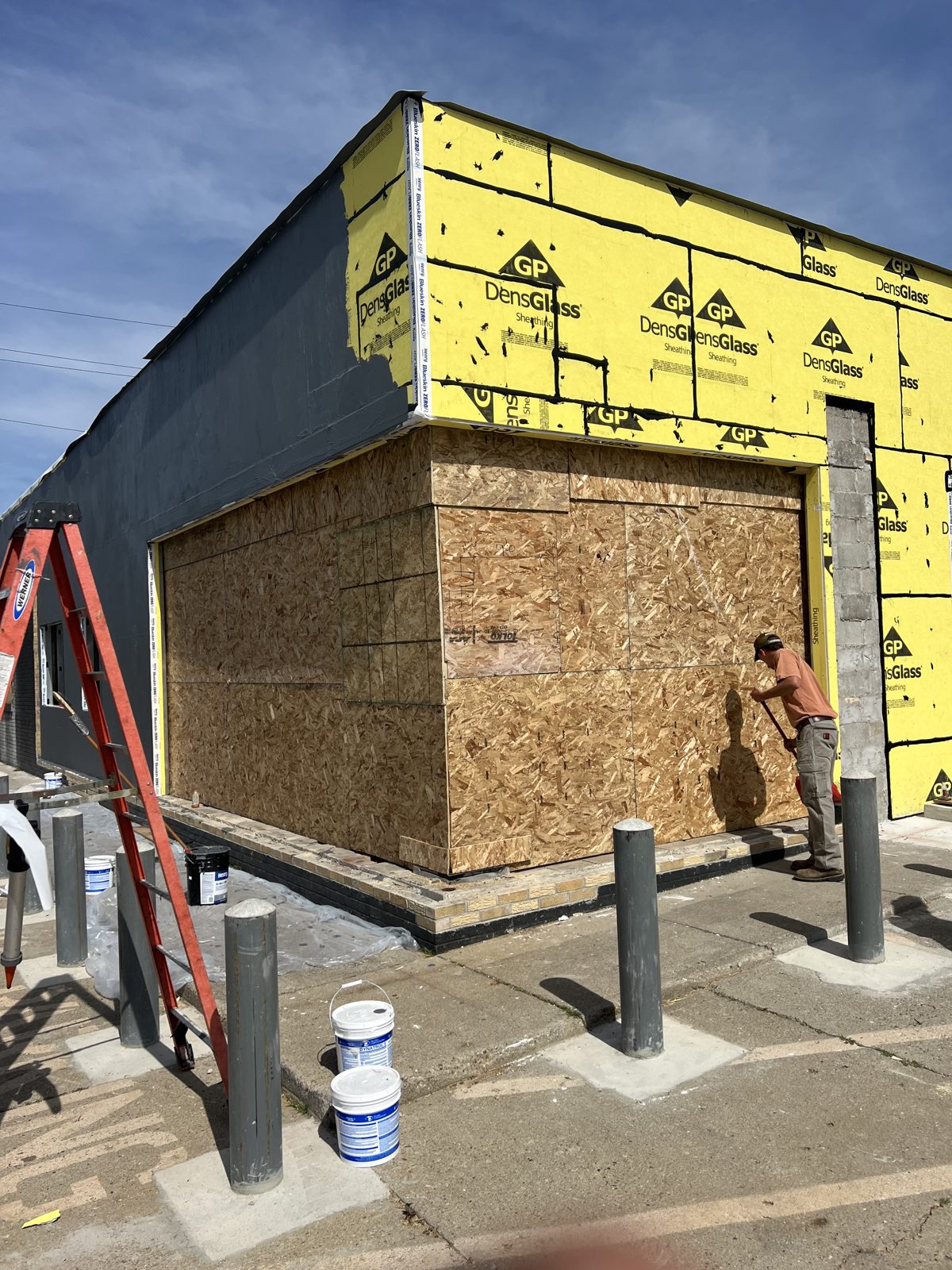
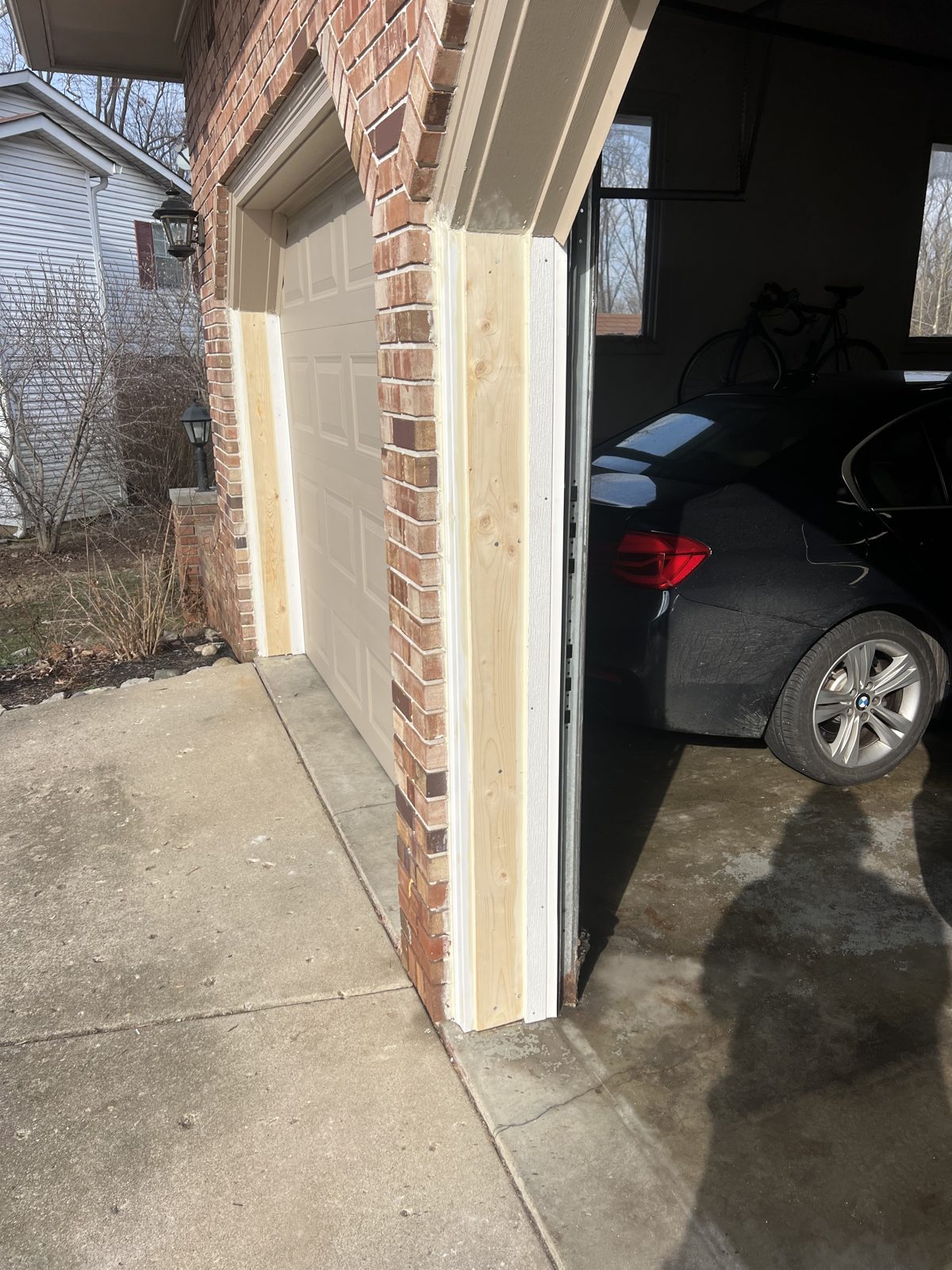
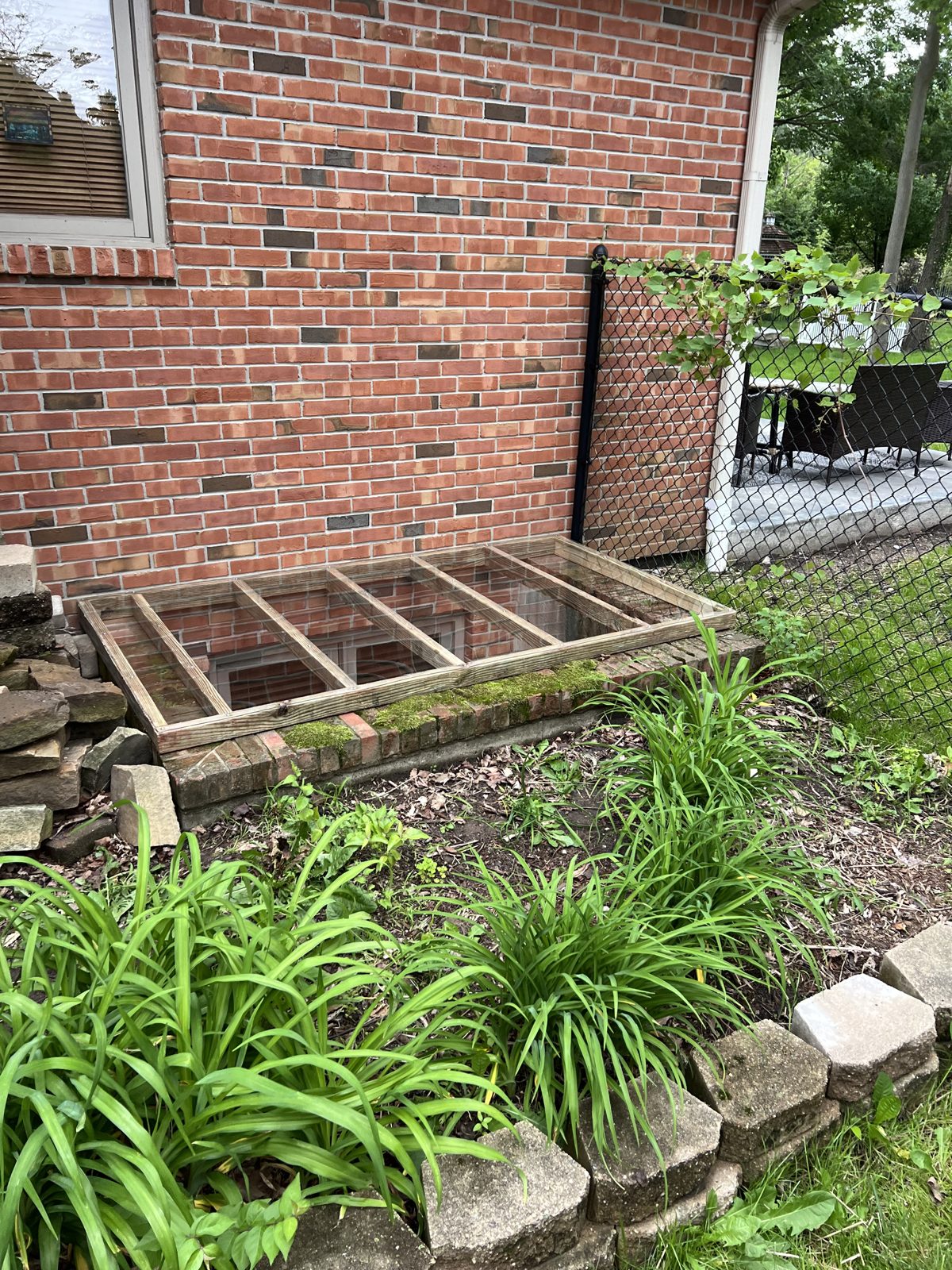
Siding protects your property and sets its curb appeal. We repair damaged sections, replace full elevations, and handle the sheathing, wrap, and trim work behind it so the exterior stays weather-tight.
What we handle
- Siding repair & replacement
- Full elevation re-siding
- Sheathing & house wrap
- Trim, fascia & soffit work
- Storm & impact damage repair
- Residential & commercial buildings
- Cleanup & haul-away included
- Free estimates
05
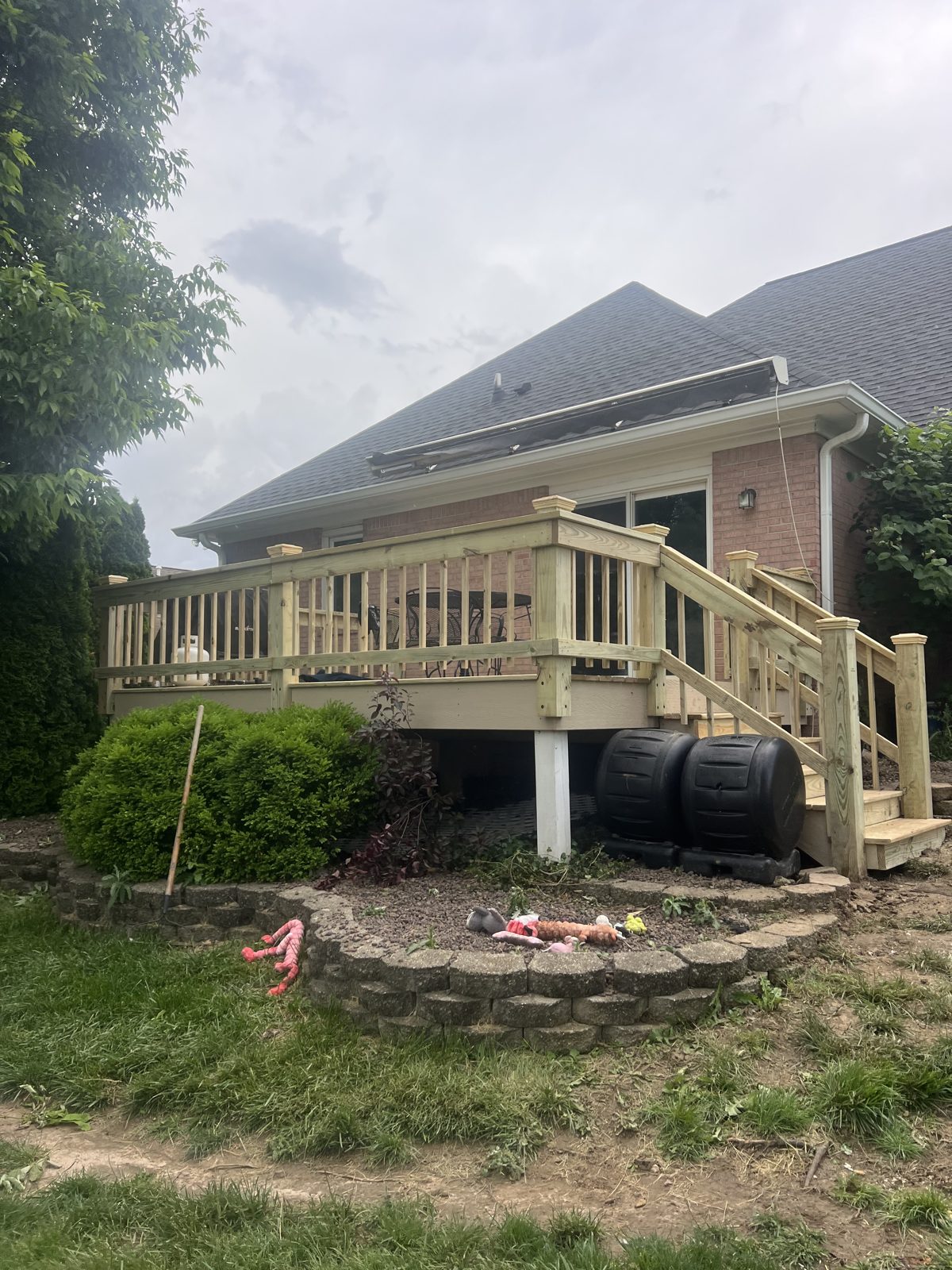
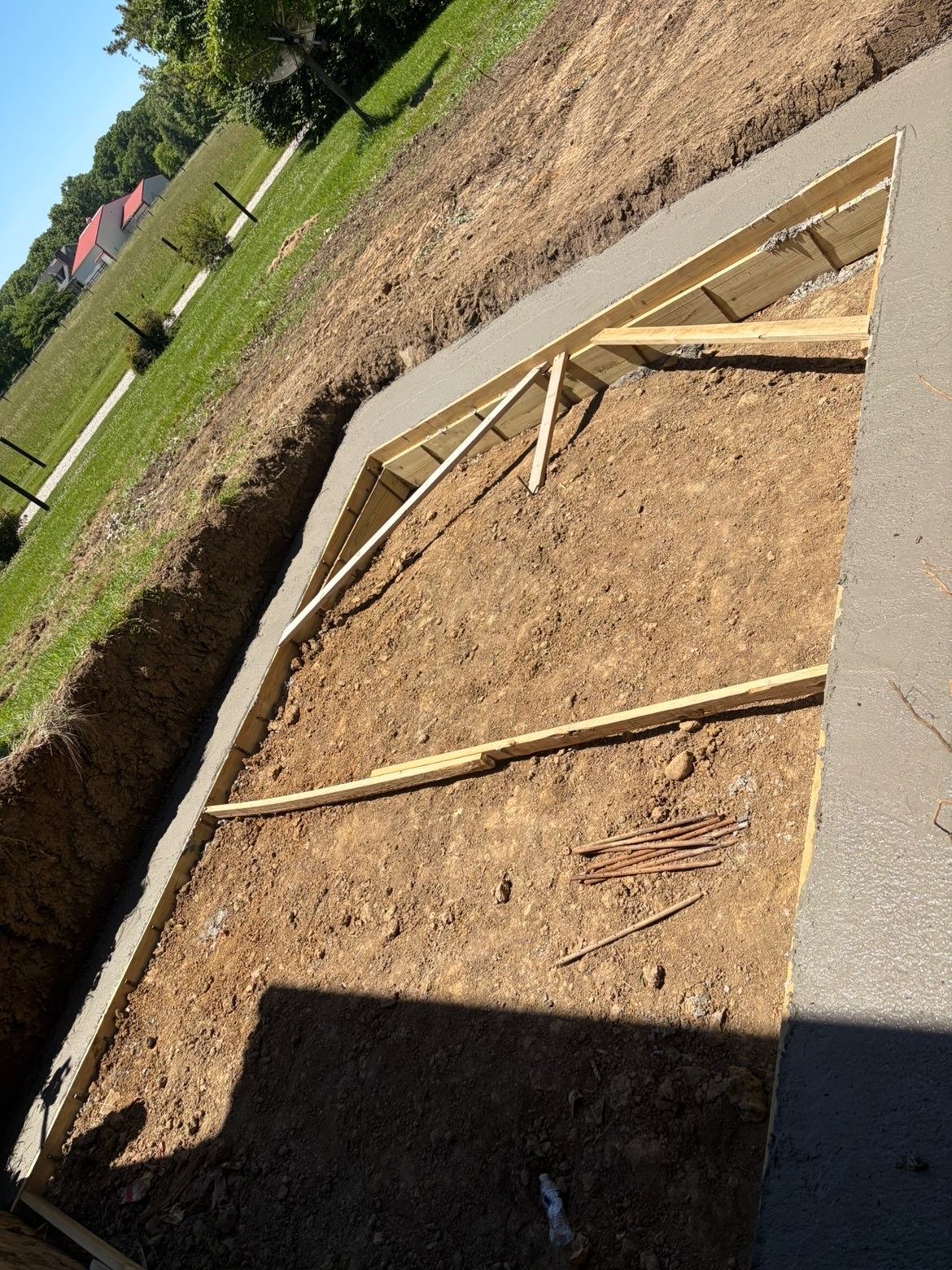
Decks
New builds, rebuilds & deck repairs
New builds, rebuilds & deck repairs
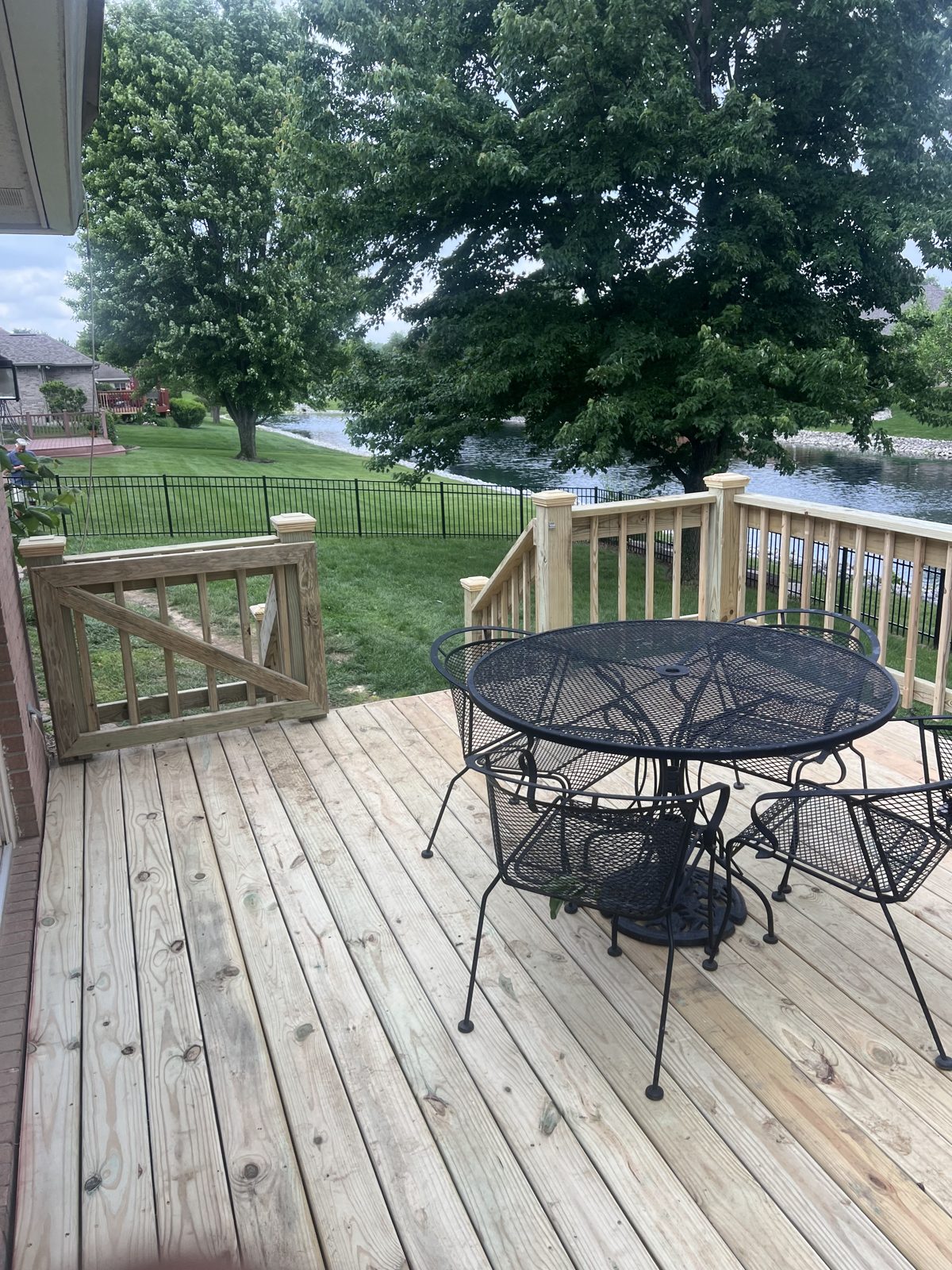
We build decks that hold up — solid framing, proper footings, and railings and stairs that feel right underfoot. New builds, replacements, and repairs for homes across Central Indiana.
What we handle
- New deck construction
- Deck framing & footings
- Railings & stair builds
- Deck board replacement
- Repairs & structural reinforcement
- Old deck tear-out & haul-away
- Waterfront & elevated decks
- Free on-site estimates
06
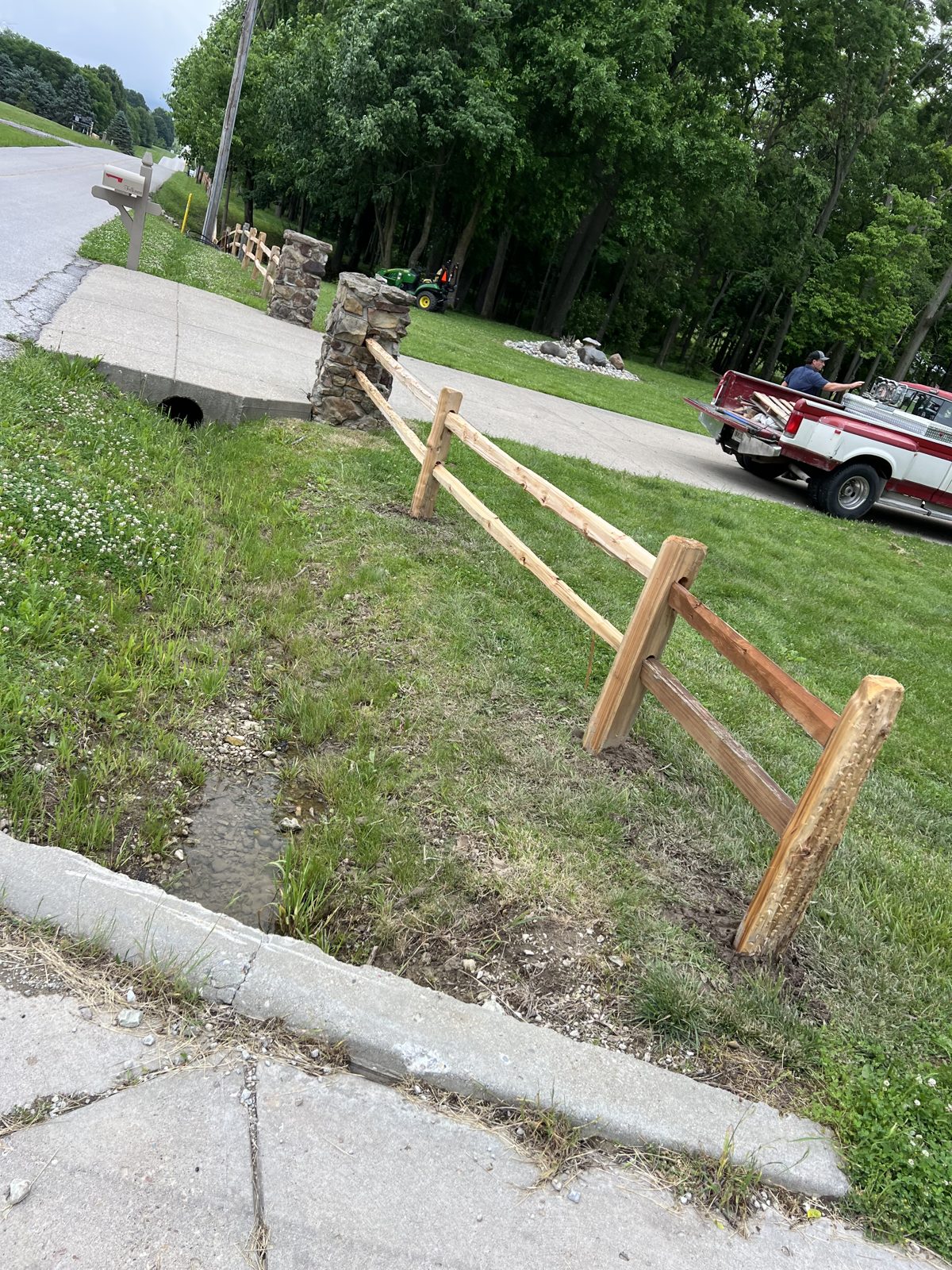
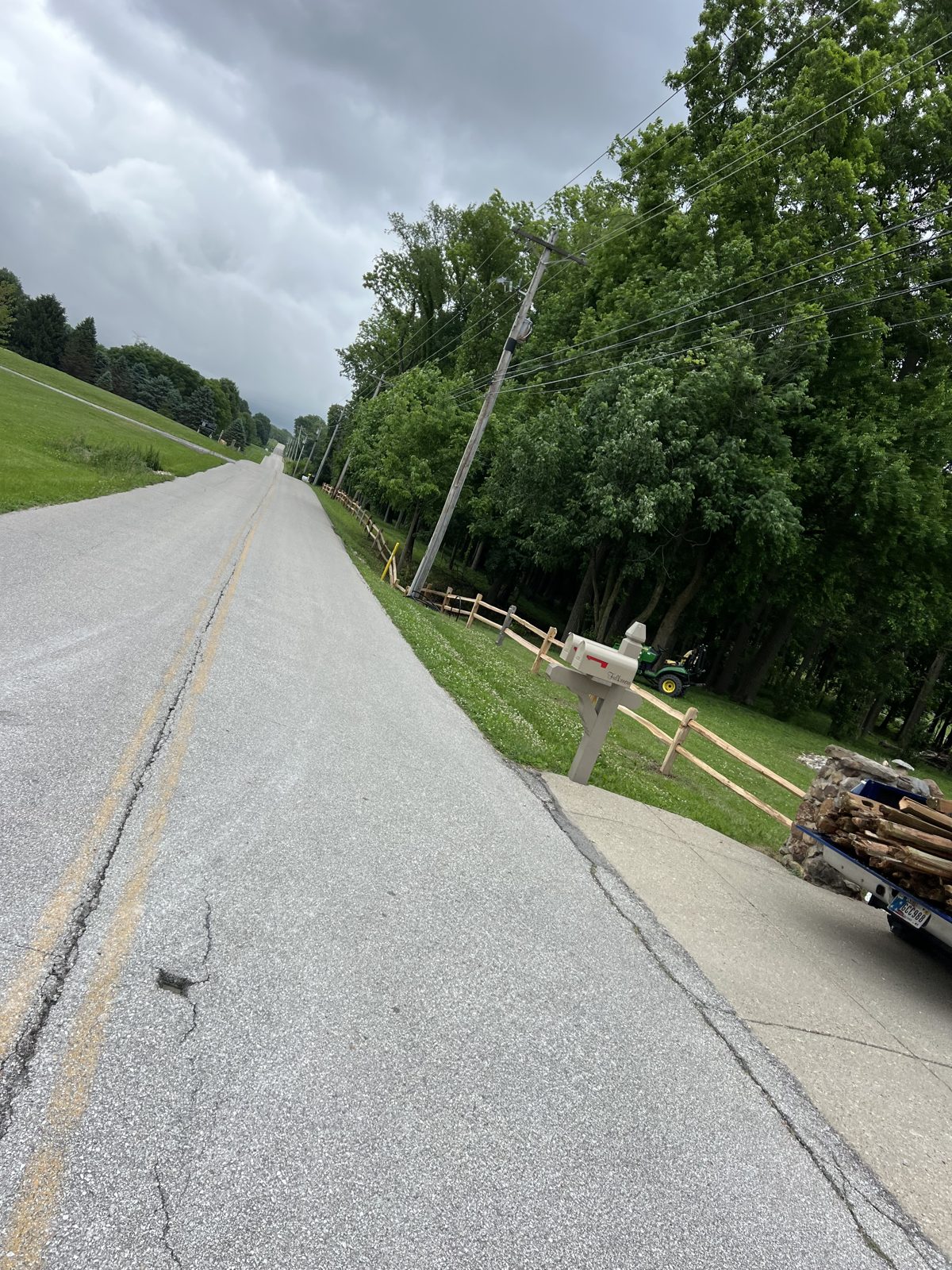
Fences
Split rail, privacy & property line fencing
Split rail, privacy & property line fencing
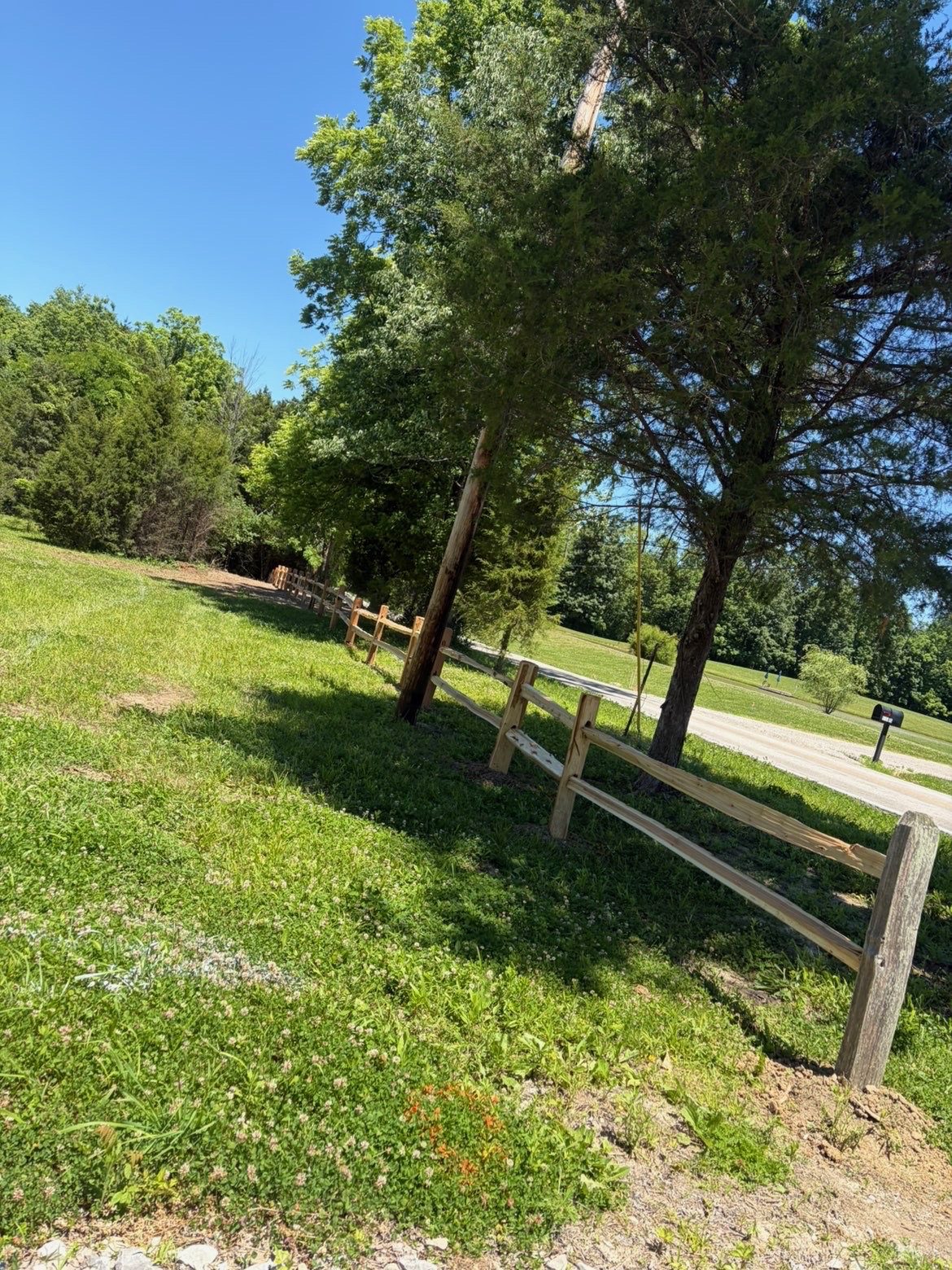
Q&Q Property Solutions installs and repairs fencing across Greenwood, Franklin, and the south side of Indianapolis. Straight posts, clean lines, and a finished job site — whether you need a split rail run along the road or privacy fencing around the yard.
What we handle
- Split rail fence installation
- Privacy & picket fencing
- Property line fencing
- Post setting & post replacement
- Gate installation & adjustment
- Fence repair & storm damage
- Old fence tear-out & haul-away
- Free on-site estimates
07
Property Maintenance
One call for repairs, cleanups & seasonal work
One call for repairs, cleanups & seasonal work
Homeowners, landlords, and property managers use Q&Q for ongoing upkeep — repairs, hauling, cleanups, and seasonal work handled by the same crew that knows the property.
What we handle
- General repairs & handyman work
- Junk removal & debris hauling
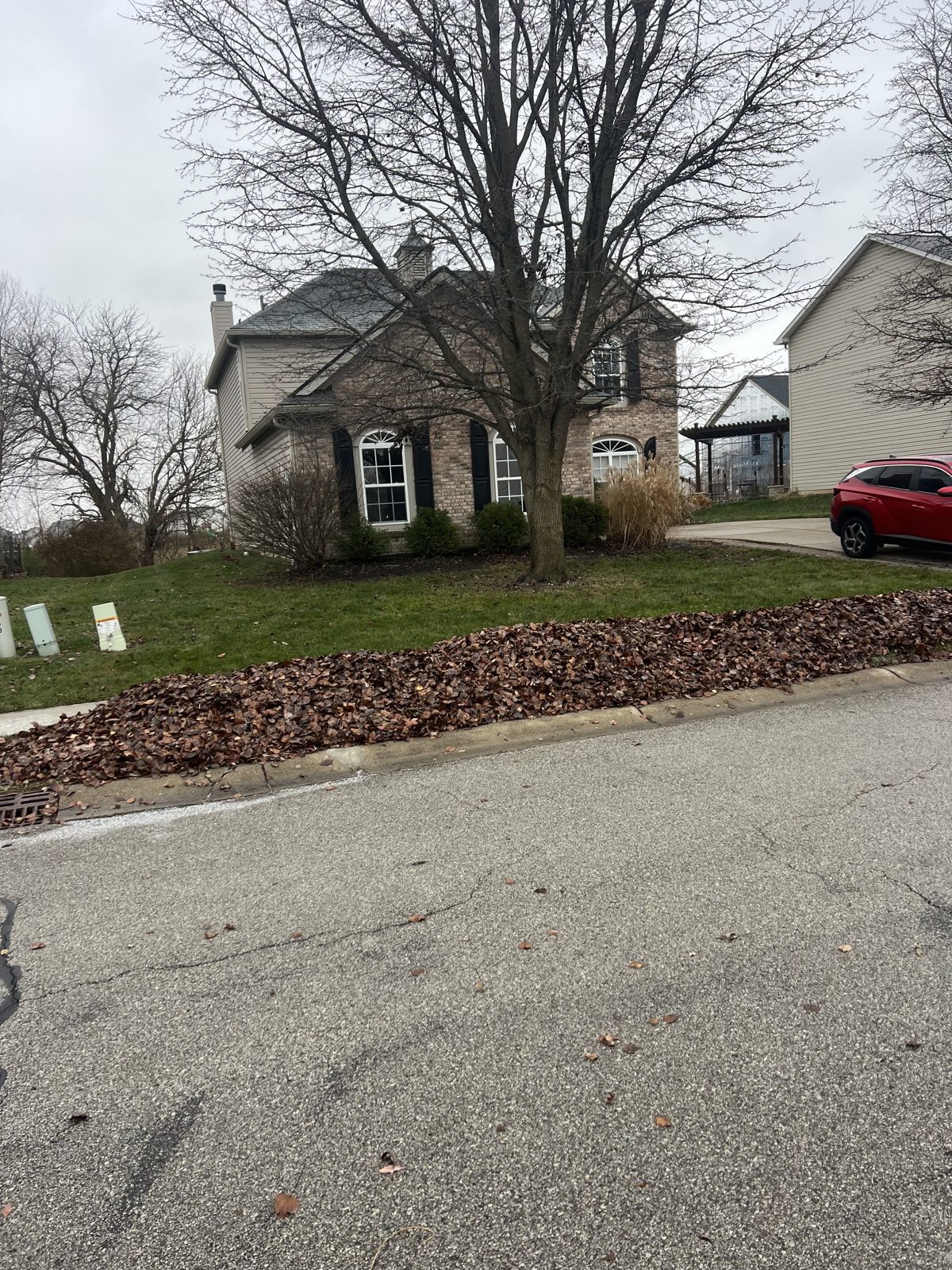
- Yard cleanup, brush & leaf removal
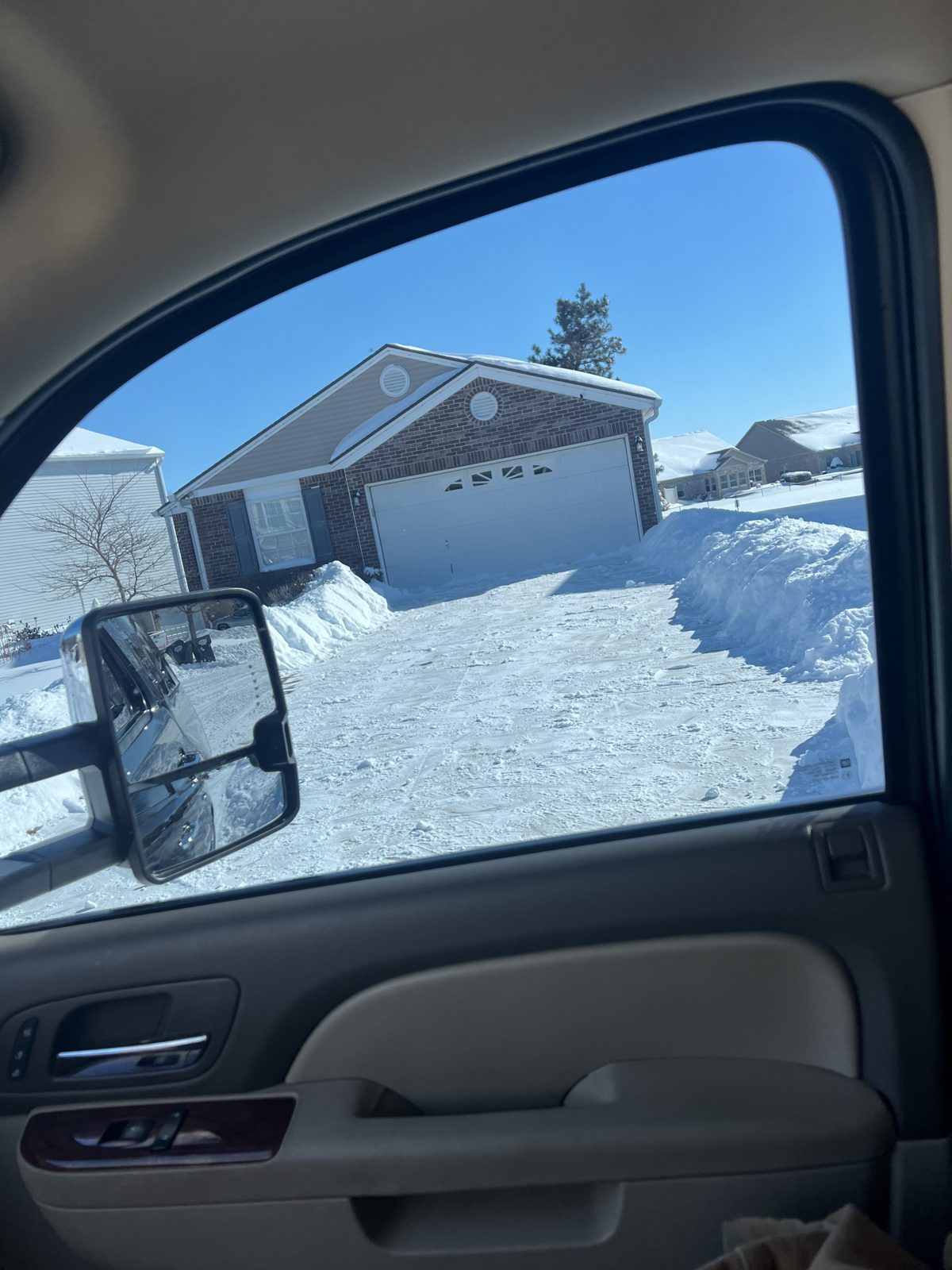
- Snow removal
- Drywall, trim & door repairs
- Insulation & crawl space work
- Rental turnover & make-ready
- Commercial property upkeep

08
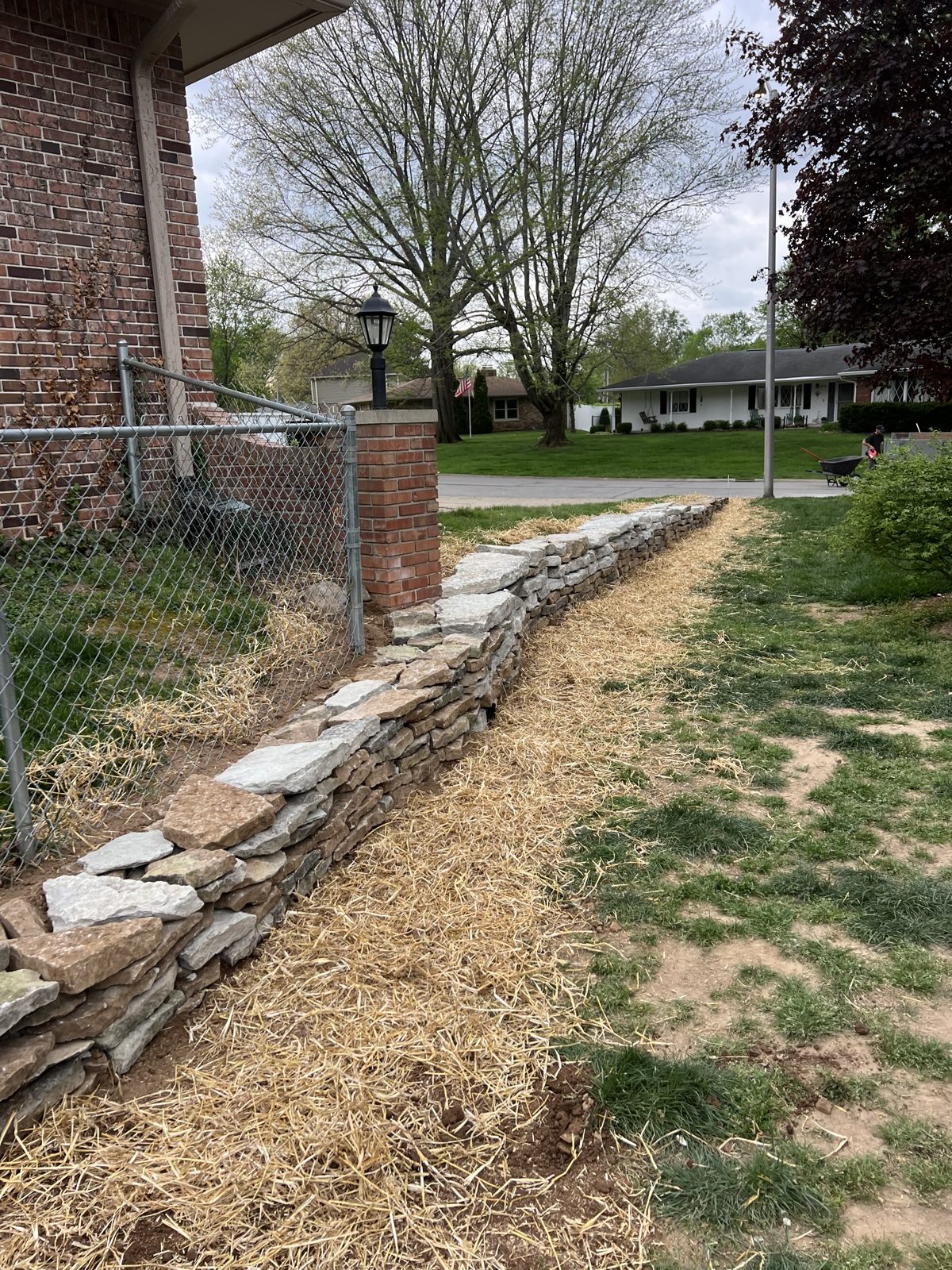
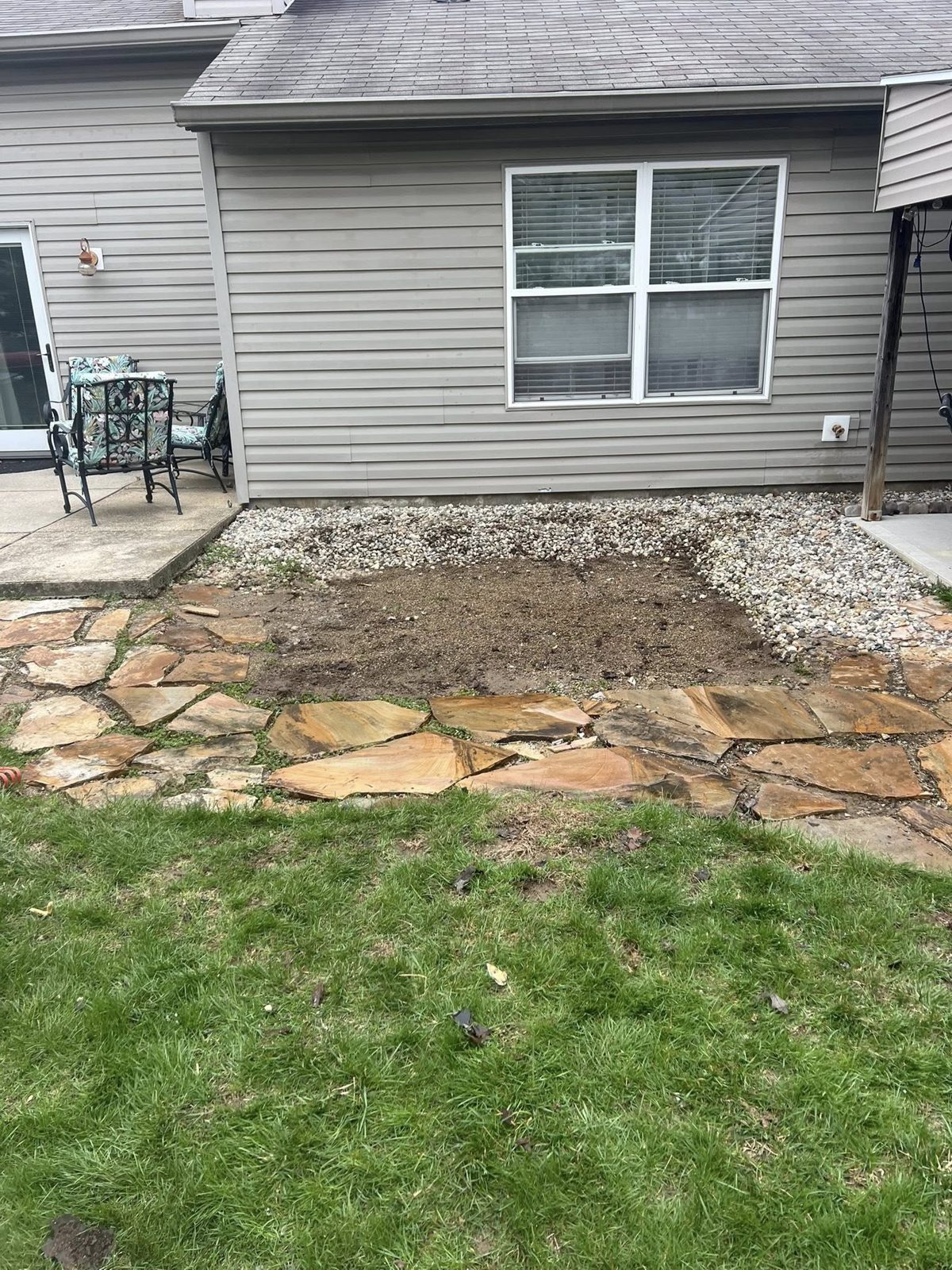
Retaining Walls
Block & stone walls that hold grade
Block & stone walls that hold grade
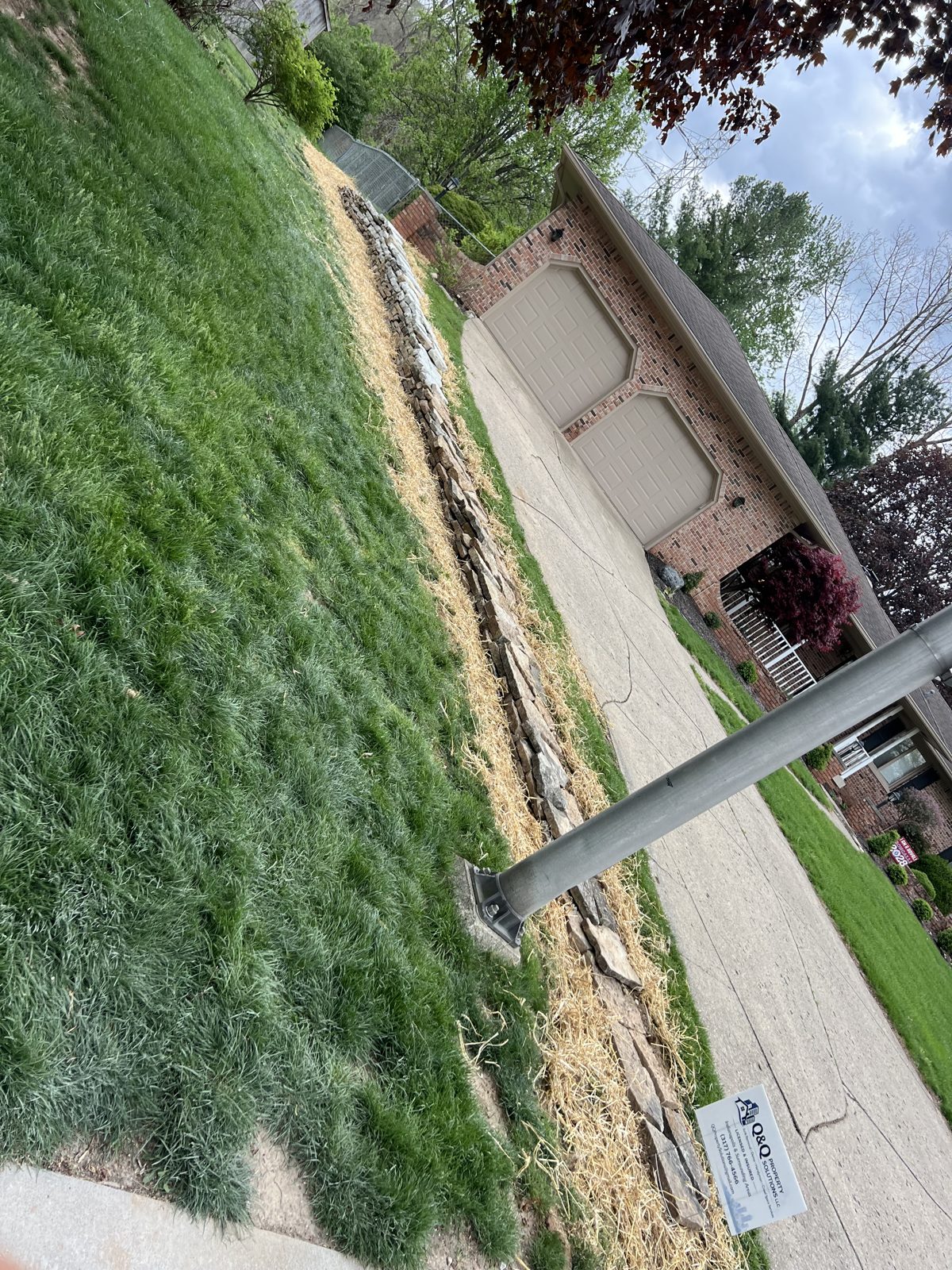
A retaining wall has to do more than look good — it has to hold back soil and move water the right way. We build block and stone walls with proper base prep and drainage so they stay put.
What we handle
- Block & stone retaining walls
- Base prep & compaction
- Drainage & backfill
- Erosion & grade control
- Wall repair & rebuild
- Steps & tiered walls
- Landscape & hardscape tie-in
- Free estimates
09
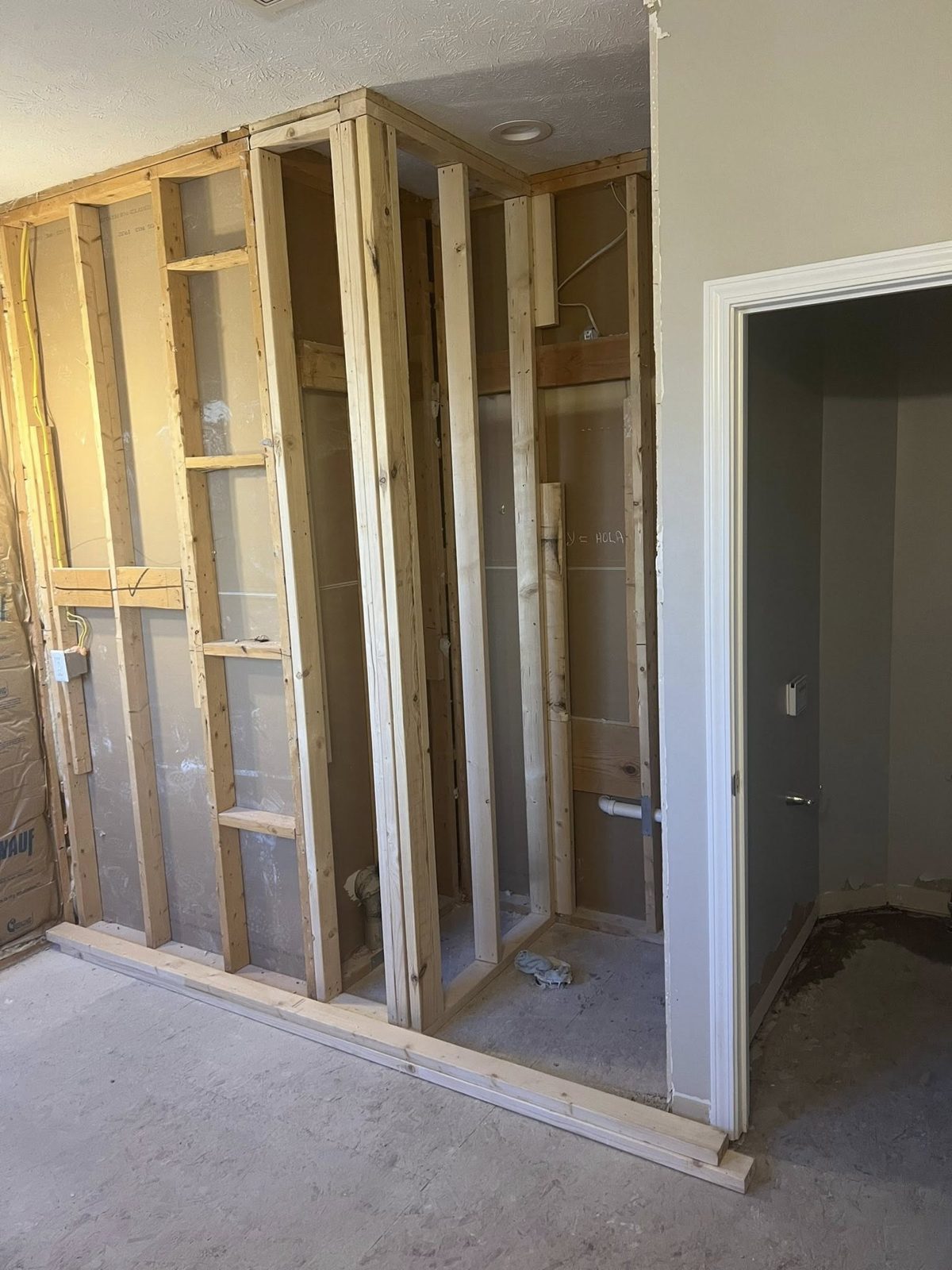
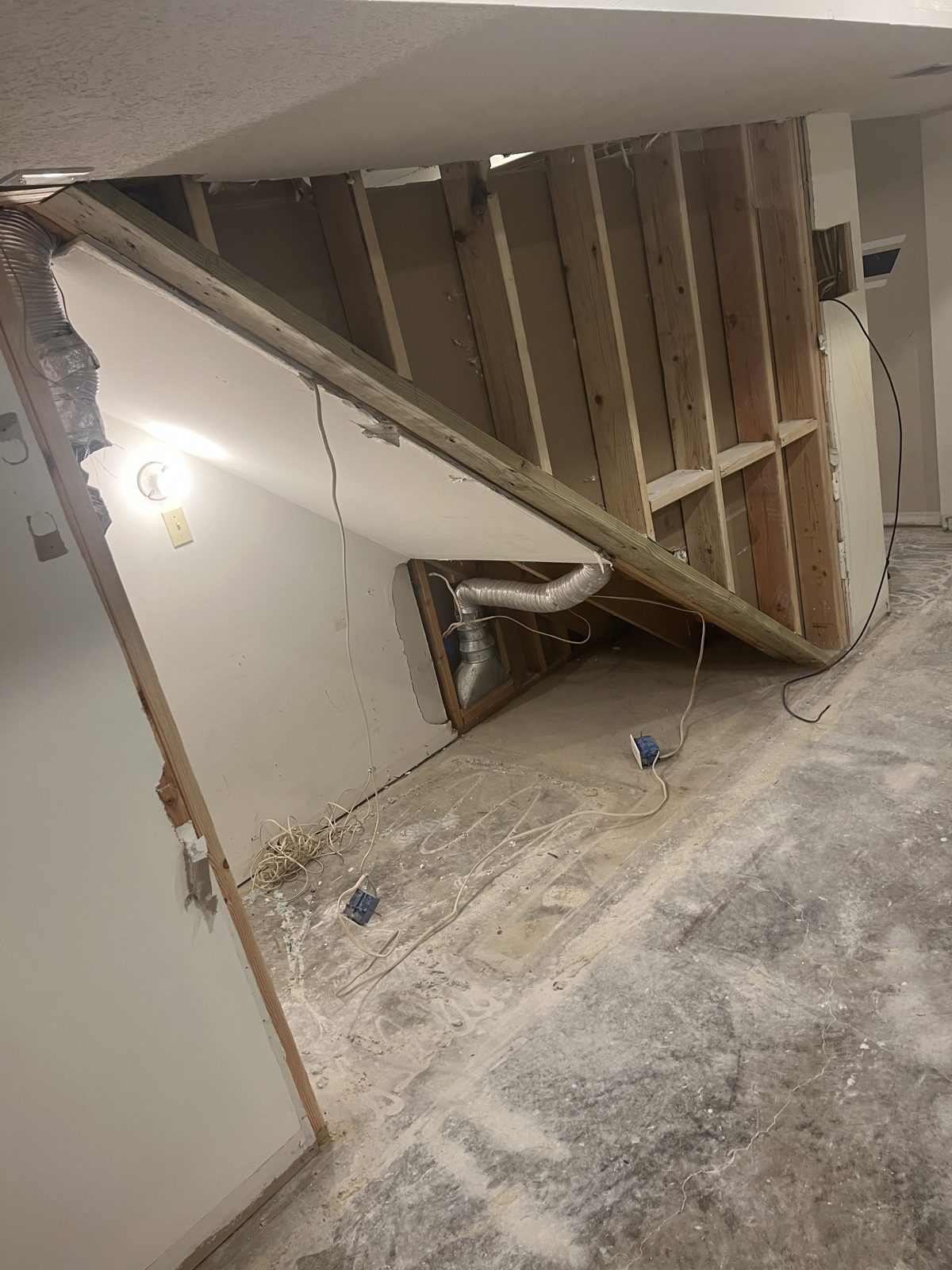
Framing
Square, level, structural framing you can build on
Square, level, structural framing you can build on
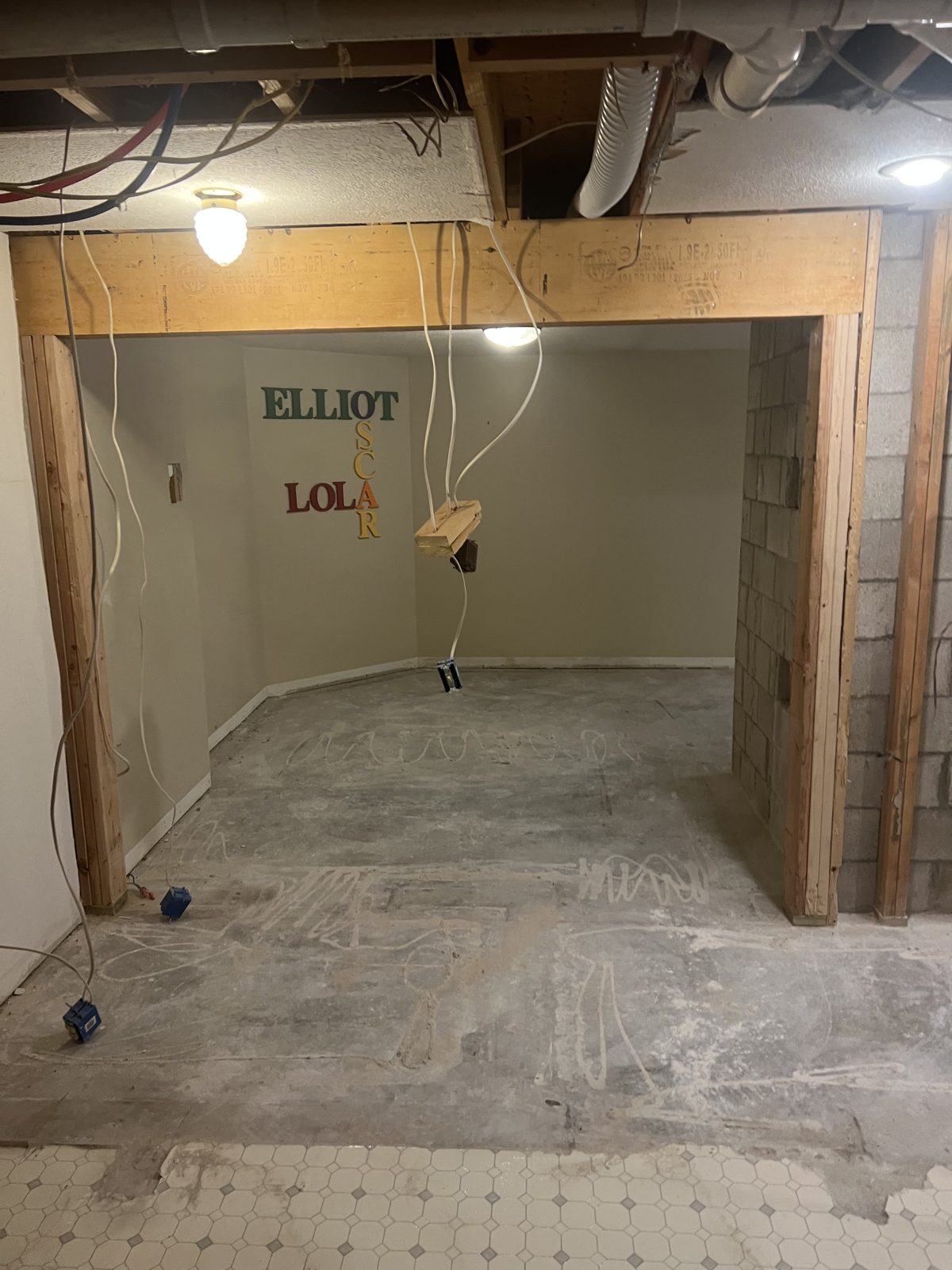
From interior walls to beams and headers, our framing work is built to last. We handle new build-outs, structural repairs, and everything that comes after a demo — done to code and ready for the next trade.
What we handle
- Interior wall framing
- Beam & header installation
- Rotten joist & stud replacement
- Additions & build-outs
- Sheathing & subfloor work
- Structural repair support
- Temporary & load-bearing walls
- Licensed & insured
010
Demo
Safe, controlled demolition — debris hauled away
Safe, controlled demolition — debris hauled away
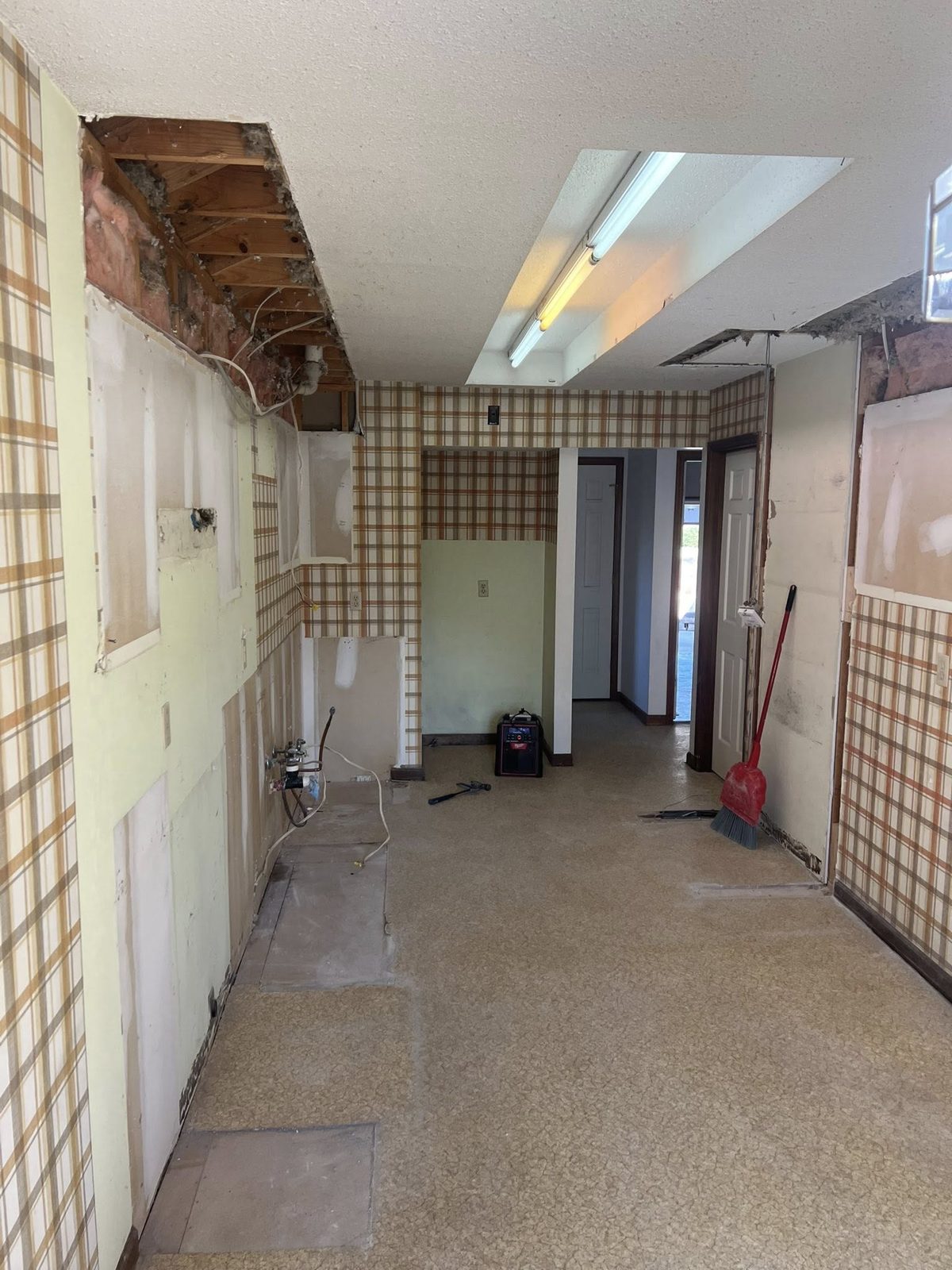
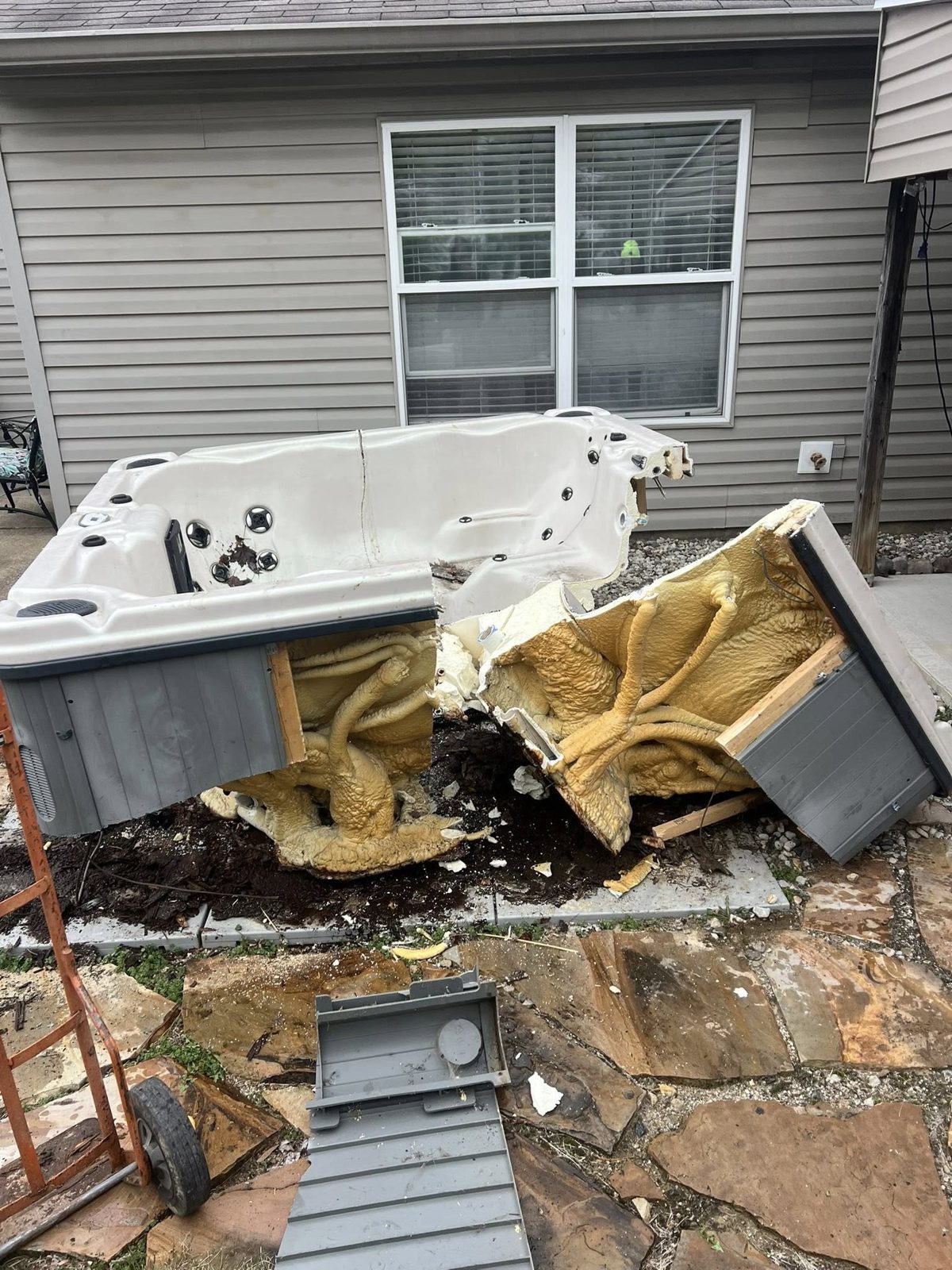
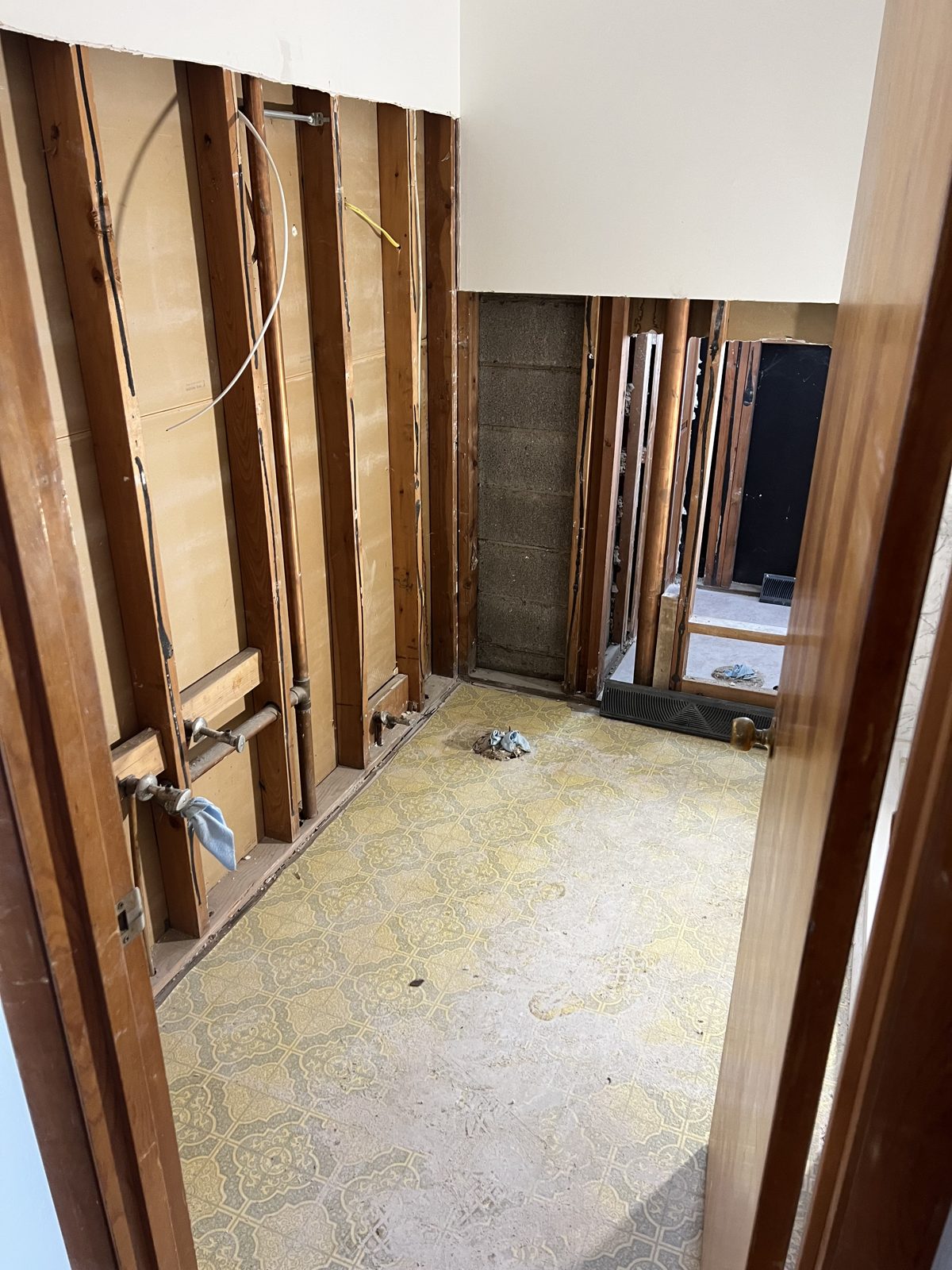
Renovating a bathroom, gutting an interior, or tearing out a deck or hot tub? We work clean, fast, and safe, and every bit of debris leaves with us when the job is done.
What we handle
- Interior gut-outs & selective demo
- Bathroom & kitchen demolition
- Wall, ceiling & floor removal
- Hot tub, deck & shed tear-down
- Drywall, tile & fixture removal
- Commercial interior demolition
- Debris removal & site cleanup included
- Licensed & insured for all demo work
Not Sure Which Service You Need?
Give us a call and describe the project — we'll tell you exactly what it takes and what it costs.